

What is SaaS spend analytics?
In today's digital age, businesses rely heavily on software as a service (SaaS) solutions. These tools streamline operations and enhance productivity. However, managing the costs associated with these subscriptions can be challenging.
Enter SaaS spend analytics. This powerful approach helps businesses track and analyze their SaaS expenses. It provides insights into spending patterns and identifies potential savings. For financial controllers, this is a game-changer.
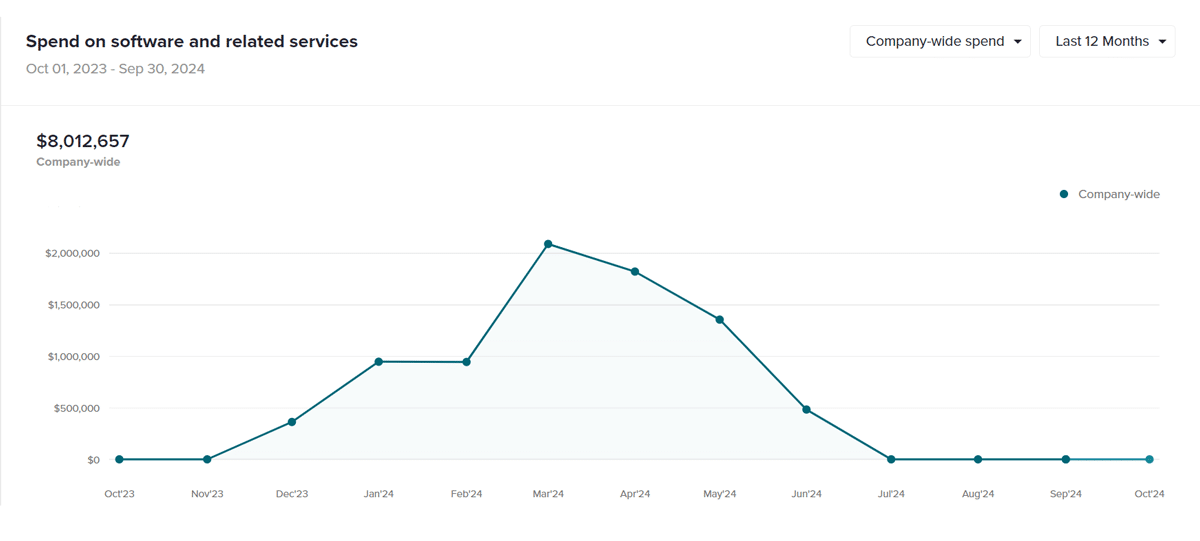
SaaS spend analytics offers a clear view of technology investments. It enables better financial oversight and strategic planning. By leveraging these insights, businesses can optimize their technology budgets.
Spend analysis tools play a crucial role in this process. They help identify underutilized or redundant subscriptions. This leads to significant cost savings and improved resource allocation.
Effective SaaS cost management is essential for maintaining a balanced budget. It ensures that technology investments align with business goals. Financial controllers can make informed decisions based on data-driven insights.
In this article, we'll explore the importance of SaaS spend analytics. We'll discuss its components, benefits, and best practices. Join us as we unlock the potential of SaaS spend analytics for your organization.
Understanding SaaS spend analytics
SaaS spend analytics involves scrutinizing SaaS expenditures to optimize their usage and cost-effectiveness. It enables businesses to track expenses related to cloud-based software services. This process provides valuable insights into spending habits and aids in identifying inefficiencies.
A primary function of SaaS spend analytics is to highlight underutilized subscriptions. Many organizations pay for services that aren't fully used. Identifying these can lead to immediate cost reductions. It also offers opportunities for consolidating services to avoid redundant expenditures.
Data analytics tools gather and analyze vast amounts of financial data. They transform raw figures into comprehensible insights. Financial controllers can then use these insights to make informed decisions. This process promotes data-driven strategies for managing SaaS expenses.
Key benefits of SaaS spend analytics include:
- Enhanced financial oversight and control
- Identification of cost-saving opportunities
- Improved alignment with business objectives
- Increased transparency in SaaS usage
The process involves a detailed examination of SaaS costs. This includes scrutinizing every aspect of the expenditure, from subscription fees to licensing arrangements. It provides a holistic view of how technology spending aligns with organizational goals.
Moreover, SaaS spend analytics aids in vendor management. Businesses can use insights gained from the analytics to negotiate better terms with vendors. Such negotiations can result in better pricing and service terms, further enhancing financial efficiency.
Regular reviews of SaaS spending are also crucial. They ensure that no budget overruns occur. Consistent monitoring helps organizations stay ahead of unexpected costs and adapt to shifting financial needs.
Understanding the return on investment (ROI) for SaaS tools is another component. SaaS spend analytics helps assess the value derived from software services. This understanding facilitates strategic planning and budgeting.
Ultimately, SaaS spend analytics allows companies to control their technology investments. It aligns financial and operational strategies, enhancing overall business performance. By adopting comprehensive spend analytics, organizations become better equipped to manage expenses and drive growth.
Why SaaS spend analytics matters for financial controllers
SaaS spend analytics plays a crucial role for financial controllers. It empowers them with detailed visibility into technology spending. This visibility is essential for accurate budget management and financial forecasting.
Understanding the financial impact of SaaS investments is vital. Without it, organizations risk overspending or underutilizing their technology budget. SaaS spend analytics helps bridge this gap by providing insights into actual usage versus costs.
Financial controllers benefit from the ability to pinpoint unnecessary expenditures. This capacity allows for effective allocation of resources, ensuring funds are directed toward high-impact areas. It helps keep technology spending aligned with overall business objectives.
Key reasons SaaS spend analytics is essential for financial controllers include:
- Better financial oversight and control
- Data-driven decision-making capability
- Improved budget accuracy and allocation
- Enhanced ability to negotiate with vendors
Data-driven decision-making is another significant advantage. By leveraging detailed insights, financial controllers can implement strategic cost management practices. These practices contribute to more efficient resource allocation and reduced financial waste.
Moreover, SaaS spend analytics supports compliance and risk management. It ensures all subscriptions are adequately licensed and monitored. This monitoring safeguards against the risks associated with shadow IT and unauthorized technology use.
Finally, SaaS spend analytics aligns financial goals with operational efficiency. It equips financial controllers with the tools needed for strategic financial management. This alignment results in superior financial planning and increased stakeholder confidence.
Embracing SaaS spend analytics can transform how financial controllers manage technology investments. This transformation involves moving from reactive budgeting to proactive spending analysis. It enhances the strategic planning of technology costs while maximizing financial oversight.
Key components of SaaS spend analytics
Effective SaaS spend analytics comprises several critical components. Each element contributes to a comprehensive understanding of a business's technology expenditure. Recognizing these components helps organizations maximize the benefits derived from spend analytics.
The first component involves data collection. Accurate data gathering is paramount. It serves as the foundation for subsequent analysis. Gathering precise, up-to-date information on all SaaS subscriptions and usage is essential.
Next, data integration plays a significant role. This step involves consolidating data across various platforms. Integrating financial systems with spend analysis tools ensures seamless tracking of expenses. This integration enhances the accuracy and reliability of financial reports.
Monitoring and reporting come into focus as the third key component. Real-time monitoring allows for the immediate identification of cost fluctuations. Reporting tools generate actionable insights. These insights aid in making informed financial decisions.
Additionally, identifying usage patterns is vital. Understanding how frequently and effectively services are used can reveal inefficiencies. Identifying underutilized subscriptions enables businesses to cut unnecessary costs.
Moreover, vendor management is an integral part of SaaS spend analytics. It involves evaluating and negotiating terms with vendors. Regularly reviewing vendor performance ensures optimal contract terms and conditions.
Also, benchmarking against industry standards is beneficial. It allows businesses to understand how their spending compares to competitors. This component helps in establishing realistic budget goals and identifying potential cost-saving opportunities.
In summary, the key components of SaaS spend analytics include:
- Data collection and integration
- Monitoring and reporting
- Usage pattern identification
- Vendor management
- Benchmarking
By focusing on these components, organizations can enhance their financial oversight. They can also achieve strategic alignment of their technology investments with business goals. This alignment leads to increased operational efficiency and financial control.
The SaaS spend analytics process: Step-by-step
Understanding the SaaS spend analytics process is crucial for effective cost management. By following a structured approach, financial controllers can gain valuable insights.
The first step in the process is identifying all SaaS subscriptions. This involves creating a comprehensive inventory of all software services in use. Tracking both active and inactive subscriptions is essential. It sets the stage for thorough analysis.
Once all subscriptions are identified, the next step is collecting detailed usage data. This includes information about user activity, frequency of use, and associated costs. Precise data collection is key to accurate spend analytics.
After gathering data, integration with existing financial systems is necessary. This step ensures all data flows seamlessly into a centralized platform. Integration helps maintain data accuracy and provides a holistic view of technology spending.
Now comes data analysis. Utilize spend analysis tools to examine collected data. Focus on identifying trends, anomalies, and opportunities for cost savings. Tools can highlight underutilized or redundant services, aiding in decision making.
Generating reports is the next critical step. Reports provide clear insights into spending patterns and areas needing attention. Tailor reports to specific audiences, such as management or department heads. They must contain actionable recommendations.
Next, engage in vendor negotiation. Armed with data insights, businesses can renegotiate service contracts. Aim for better terms, reduced costs, or enhanced service levels. Effective negotiations contribute significantly to cost savings.
Monitoring is an ongoing process. Regularly review SaaS usage and expenses to ensure alignment with business goals. Spotting changes quickly allows for proactive adjustments to the technology budget.
Finally, conduct periodic reviews. Re-evaluate spending strategies and optimize as necessary. Periodic reviews ensure continued alignment with organizational objectives. They help refine strategies for future technology investments.
Key steps in the SaaS spend analytics process include:
- Identify SaaS subscriptions
- Collect detailed usage data
- Integrate data with financial systems
- Analyze data for insights
- Generate actionable reports
Ongoing activities include:
- Vendor negotiation and monitoring
- Periodic review of spending strategies
This structured process empowers financial controllers. It provides control over technology expenses and enhances strategic decision-making.
Common challenges in SaaS spend management
SaaS spend management can be complex. Many organizations face challenges in tracking and optimizing their subscriptions. This section highlights the common hurdles faced.
One primary challenge is the lack of visibility. Businesses often subscribe to numerous services. It's easy to lose track without centralized oversight, leading to inefficient spending.
Another issue is duplication. Departments might independently subscribe to similar services. This redundancy results in unnecessary costs and makes managing the technology stack harder.
Managing renewals poses another problem. Subscriptions often auto-renew without prior review. This can lock businesses into unwanted services and inflate costs unexpectedly.
Limited collaboration between IT and finance departments can also hinder effective SaaS management. Without collaboration, financial controllers may struggle to grasp the full scope of technology spending. This gap can lead to misaligned budgeting and poor resource allocation.
Additionally, varying usage patterns add complexity to spend management. Some applications may see sporadic use, making it hard to judge their value. Evaluating these patterns is critical for cost optimization.
Key common challenges include:
- Lack of visibility into all subscriptions
- Duplication of software services
- Automatic renewals of subscriptions
- Insufficient collaboration between departments
- Irregular usage patterns affecting value assessment
Addressing these challenges is crucial for successful SaaS spend management. By overcoming these hurdles, organizations can achieve better financial oversight and increase overall efficiency.
Benefits of effective SaaS spend analytics
Effective SaaS spend analytics offers significant advantages for organizations. It enhances financial oversight and ensures efficient resource utilization. By understanding where money is being spent, companies can optimize their budgets.
One of the primary benefits is cost savings. Analytics helps identify redundancies and underused subscriptions, reducing wasteful spending. This insight allows organizations to reallocate funds more strategically.
Improved financial transparency is another benefit. Analytics provides a clear view of all SaaS-related expenses. This transparency fosters accountability in technology spending and supports more informed decision-making.
Enhanced vendor negotiation is also possible with proper analytics. Understanding spending patterns enables businesses to negotiate better terms and pricing with service providers. This knowledge can lead to more favorable contract terms.
SaaS spend analytics also aids in strategic planning. It aligns technology investments with business goals, facilitating data-driven decisions. This alignment ensures that technology spending supports broader organizational objectives.
Key benefits of effective SaaS spend analytics include:
- Significant cost savings
- Improved financial transparency
- Enhanced vendor negotiation
- Strategic alignment of resources
Incorporating SaaS spend analytics into business operations leads to better financial control. It empowers financial controllers to drive cost-effective strategies, enhancing overall business performance.
Spend analysis tools: Types and features
Spend analysis tools are essential for effective SaaS spend analytics. These tools help companies track and manage their SaaS expenditures. Choosing the right tool can streamline technology budget management.
There are several types of spend analysis tools, each with unique capabilities. Some tools focus on providing detailed expenditure reports. Others offer real-time monitoring and alerting systems for spending anomalies.
Cloud-based tools provide flexibility and accessibility. They allow teams to access data from any location. This feature supports remote and decentralized work environments.
On-premise tools, on the other hand, may offer higher data security. They are often preferred by companies with strict data governance policies. Choosing between cloud-based and on-premise solutions depends on organizational needs.
Key features to look for in spend analysis tools include:
- User-friendly interfaces
- Robust reporting and visualization capabilities
- Real-time data tracking
In addition to basic features, some tools offer advanced functionalities. These may include predictive analytics and automated renewal tracking. Such features can greatly enhance a company’s ability to manage costs efficiently.
Another important aspect to consider is integration capabilities. Tools should seamlessly integrate with existing financial and accounting systems. This ensures a smooth data flow and minimizes manual data entry.
Ultimately, selecting the right tool depends on specific business requirements. Consider factors like company size, SaaS usage patterns, and budget constraints. Evaluating these criteria can help in selecting a tool that provides the most value.
Spend analysis tools empower companies with critical insights into their SaaS spending. By leveraging these tools, businesses can optimize their software investments. This results in better financial oversight and a more controlled budget.
How to choose the right SaaS spend analytics tool
Selecting the optimal SaaS spend analytics tool involves careful consideration. The right tool can significantly enhance cost management and financial oversight.
Begin by assessing the unique needs of your organization. Consider the number of SaaS subscriptions and departments involved. Understanding these aspects helps in identifying necessary tool features.
Focus on integration capabilities. The tool should seamlessly connect with your existing financial systems. This ensures efficient data flow without manual intervention.
Next, evaluate user-friendliness. A tool with an intuitive interface promotes easy adoption by the finance team. It encourages regular use, maximizing the benefits of SaaS spend analytics.
Scalability is another crucial factor. As your business grows, the tool should accommodate increased data and complexity. This ensures long-term usability and cost-effectiveness.
Consider these key factors when choosing a tool:
- Integration with existing systems
- User-friendliness
- Scalability to meet future needs
Lastly, analyze the cost and return on investment. Compare the tool’s capabilities against its price. This ensures you receive maximum value for your investment.
Ultimately, selecting the right tool requires a strategic approach. Align the tool's features with your specific needs and goals. A well-chosen tool supports enhanced financial oversight and strategic decision-making.
Best practices for SaaS cost management
Effective SaaS cost management requires strategic planning and continuous evaluation. It helps in aligning technology spending with business goals and optimizing financial resources.
Begin with a comprehensive inventory of all SaaS applications. Knowing what you have is the first step toward efficient management. This list should include all active subscriptions and their specific usage.
Regularly review your subscription usage and costs. Determine which applications are essential and which can be consolidated or eliminated. This helps prevent overspending on unnecessary tools.
Implement an approval process for new subscriptions. Ensure that each acquisition is justified and aligned with business objectives. This control measure helps maintain budget discipline.
Encourage cross-departmental collaboration in tracking usage and expenses. When departments work together, identifying shared needs and redundant applications becomes easier.
Automate tracking and reporting of SaaS expenditures. Utilize tools that provide real-time insights into spend analytics. Automation reduces manual errors and improves efficiency.
Key practices for tracking and management
- Maintain a detailed inventory of subscriptions
- Regularly review usage against spend
- Implement approval processes for new purchases
Strategies for optimization
- Promote cross-department collaboration
- Leverage automation for tracking
- Continuously align spend with business goals
Following these best practices not only ensures cost-effectiveness but also enhances transparency. It empowers financial controllers to make informed decisions, ultimately driving strategic growth and innovation.
Building a culture of cost awareness and accountability
Fostering a culture of cost awareness and accountability is crucial for maximizing SaaS spend analytics. It involves creating an environment where every stakeholder understands the financial implications of technology use. By encouraging transparency, organizations can make better-informed decisions.
Begin by integrating cost considerations into everyday discussions. Regular meetings should include cost analysis reviews. This ensures everyone stays informed about technology expenditure and its impacts on the budget.
Additionally, offer training sessions to educate employees about the importance of mindful spending. When team members understand how their software choices affect the company's bottom line, they are more likely to engage in cost-effective behaviors.
Steps to cultivate cost awareness
- Incorporate cost reviews in team meetings
- Educate employees on financial impacts of tech choices
- Implement transparent communication practices
By fostering a shared sense of fiscal responsibility, organizations can better manage their resources. This approach not only improves financial oversight but also enhances overall strategic planning. Making cost awareness a core value helps align technology spending with broader business objectives.
The future of SaaS spend analytics
The future of SaaS spend analytics is promising, driven by evolving technologies and business needs. As data analytics capabilities advance, the insights derived from SaaS spend will become more precise.
Automation will play a significant role in shaping future SaaS spend management. Automated tools will analyze spending patterns, providing real-time alerts about budget anomalies. This will lead to more accurate and timely financial oversight.
Predictive analytics will also take center stage. Businesses will leverage these tools to forecast spending trends and align their budget strategies proactively. As the landscape evolves, the integration of AI and machine learning will further refine analytics processes, making them smarter and more adaptable.
Anticipated developments
- Greater use of automation in spending tracking
- Enhanced predictive analytics for budgeting
- Integration of AI and machine learning technologies
These developments promise greater efficiency and oversight, empowering businesses to stay competitive and financially agile.
Unlocking financial oversight with SaaS spend analytics
SaaS spend analytics offer financial controllers a powerful toolset for managing and optimizing technology expenses. By harnessing these insights, businesses can achieve significant cost savings and improve financial control.
Deploying robust SaaS spend analysis strategies unlocks clarity and accountability in tech investments. Embracing such analytics helps align spending with business goals, fostering a culture of fiscal responsibility.
BetterCloud enables smarter SaaS spend analytics
BetterCloud is a purpose-built SaaS management platform that embodies the principles outlined—offering complete visibility into software spend and usage, granular dashboards by user, department, and application, and tools to uncover unused licenses and overlapping apps.
It integrates directly with SSO and accounting systems to aggregate usage and financials, while providing benchmarking intelligence drawn from a $35 billion+ contract database to empower vendor negotiations BetterCloud. These capabilities support better financial oversight, cost optimization, alignment across IT and finance, and enforcement of governance policies—exactly what financial controllers need for proactive spend management.
Ready to optimize your SaaS costs? Request a demo to see how BetterCloud can transform your spend analytics.