

What is Policy Based Access Control?
In today's digital landscape, data security is paramount. Organizations face increasing pressure to protect sensitive information.
Access control models play a crucial role in safeguarding data: they determine who can access what resources and under what conditions. Policy Based Access Control (PBAC) is a dynamic approach to access management that uses defined policies to regulate access to resources. PBAC adapts to changing security needs and organizational requirements—aligning perfectly with Zero Trust principles to ensure continuous verification. This flexibility makes PBAC a valuable tool for IT managers and compliance officers. Implementing PBAC can enhance data protection and ensure regulatory compliance by providing granular control over data access, reducing the risk of breaches.
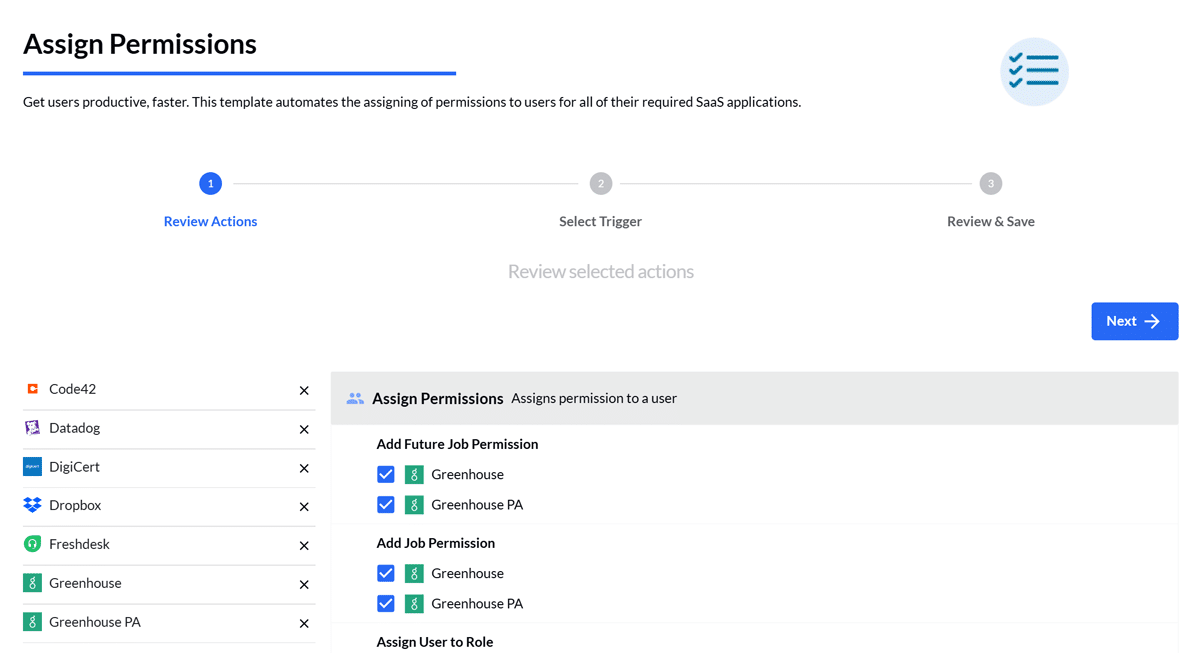
Security policies in PBAC are crafted using user and resource attributes, with environmental conditions also playing a role. For a deeper dive into attribute-driven controls, see our Privileged Access Management overview. Recent data breaches highlight the need for robust access control models like PBAC; to understand which threats it mitigates, check out 7 Key InfoSec Questions Before Buying SaaS. Understanding PBAC and its benefits is essential for organizations—it strengthens security frameworks and supports compliance with industry regulations.
Understanding access control models
Access control models are fundamental to effective data security. They provide a framework to determine how access is managed across an organization. Different models offer unique benefits tailored to varying security needs.
The most common access control models include:
- Discretionary Access Control (DAC): Access is based on user identity and the owner's discretion.
- Mandatory Access Control (MAC): Central authority enforces access policies based on classification and labels.
- Role-Based Access Control (RBAC): Permissions are assigned to roles, which are then allocated to users—learn more in our What Is Role-Based Access Control? guide.
- Attribute-Based Access Control (ABAC): Uses a combination of user, resource, and environmental attributes to make access decisions.
Each model offers distinct advantages. For instance, RBAC simplifies permissions by associating roles with access rights—see the fundamentals of RBAC for more context. Meanwhile, ABAC provides detailed control by evaluating multiple attributes for decision-making. Whether you choose DAC, MAC, RBAC, or ABAC depends on factors like regulatory compliance, data sensitivity, and operational complexity.
Policy Based Access Control (PBAC) emerges as a versatile choice. It integrates elements from other models, offering dynamic and flexible access controls. By understanding these models, organizations can better protect their data and streamline access management.
What is Policy Based Access Control (PBAC)?
Policy Based Access Control (PBAC) is a dynamic approach to managing resource access. It regulates access by enforcing policies predefined by an organization. This model is particularly valued for its flexibility and scalability.
Unlike static access models, PBAC adapts to changing environments. Policies are crafted using a combination of user attributes, resource attributes, and contextual conditions. This allows organizations to enforce detailed and context-aware access decisions.
Key components of PBAC include:
- User attributes: Characteristics of users, such as roles, departments, and clearance levels.
- Resource attributes: Details about the resource, such as type, owner, and sensitivity.
- Environmental conditions: Contextual factors like time of day, location, and network security status.
By integrating these elements, PBAC supports granular access management that aligns with current security policies. PBAC’s flexibility makes it suitable for cloud environments and external file sharing—see our SaaS Security Best Practices Guide for securing dynamic resources. Moreover, PBAC aligns with the principle of least privileged access, granting only the permissions necessary to perform a task.
Adopting PBAC supports compliance by ensuring consistent policy enforcement. With its robust framework, PBAC helps secure sensitive data and mitigate risks, positioning it as a leading choice in modern access control strategies.
PBAC vs. other access control models (RBAC, ABAC, ReBAC)
Policy Based Access Control (PBAC) is one of several access control models available. It offers unique advantages compared to others like Role-Based Access Control (RBAC), Attribute-Based Access Control (ABAC), and Relationship-Based Access Control (ReBAC).
Role-Based Access Control (RBAC): Assigns permissions based on predefined roles. Each user gets a set of permissions linked to their role. This model is straightforward and easy to manage but lacks flexibility. Changes in roles often require widespread updates and can be inflexible for dynamic environments.
Attribute-Based Access Control (ABAC): Uses a set of attributes for decision-making. These include user attributes, resource attributes, and environmental conditions. ABAC provides a more nuanced access control compared to RBAC. However, setting up and managing these attributes can be complex.
Relationship-Based Access Control (ReBAC): Focuses on the relationships between entities. This model is particularly suited for systems where interactions between users and resources are complex. While powerful, ReBAC can be challenging to implement and maintain.
Differences between PBAC and other models:
- Flexibility: PBAC adapts more easily to changing conditions than RBAC.
- Granularity: Both PBAC and ABAC support fine-grained access but PBAC leans on defined policies.
Similarities across models:
- Objective: All aim to control access and enhance security.
- Customization: Can be tailored to specific organizational needs.
Selecting the right model depends on the organization's needs and existing infrastructure. Each model has strengths that cater to different security requirements. PBAC offers a blend of flexibility and granularity—see our PoLP vs. RBAC best practices article for a side-by-side comparison. While all models share the common goal of controlling access and enhancing security, PBAC’s policy-driven nature often shines in dynamic, policy-heavy environments.
How PBAC works: Core principles and components
Policy Based Access Control (PBAC) operates on a foundation of well-defined principles. The system requires carefully crafted policies to regulate access effectively.
Central to PBAC is the concept of automated decision-making. Access decisions are based on policies that integrate user, resource, and environment data. These policies dictate who can access what data under specific conditions.
Core components of PBAC:
- Policies: Set the rules for access, customized to align with organizational objectives.
- Attributes: Include user roles, data classification, and environmental conditions.
- Decision Points: Automated checks where access requests are evaluated against policies.
- Policy Enforcement Points (PEPs): Where access decisions are applied to approve or deny requests.
This framework makes PBAC adaptable: as regulations evolve, you simply update policies rather than reconfigure entire role hierarchies. Integrations with tools like Privileged Access Management (PAM) and IGA and SMP tools further enhance control. This approach minimizes administrative burden, optimizing access management.
Benefits of Policy Based Access Control
Adopting Policy Based Access Control (PBAC) brings several advantages to an organization. It enhances security by providing precise access control tailored to specific needs.
One major benefit is the dynamic nature of access control. PBAC adjusts to changes quickly, which is essential in fast-paced environments.
Another key advantage is ensuring compliance with industry regulations. Consistent policy enforcement makes it easier to meet legal standards.
PBAC also supports the principle of least privilege. Only the necessary permissions are granted, reducing the chance of unauthorized access.
Key benefits of PBAC:
- Dynamic Access Control: Adjusts easily to new circumstances.
- Enhanced Security: Provides targeted access management.
- Regulatory Compliance: Assists in adhering to legal requirements.
- Scalable Solution: Grows with organizational changes.
- Audit and Reporting: Detailed logs facilitate monitoring and accountability—see our guide on managing SaaS user access permissions to streamline audits.
Organizations using PBAC can simplify auditing and reporting processes. Detailed logs support compliance verification and incident response.
Overall, by offering a scalable and flexible approach to access management, PBAC strengthens an organization’s security posture. The ability to easily update and enforce policies leads to a more robust data protection strategy.
Real-world examples and use cases
Policy Based Access Control (PBAC) is widely applicable in various industries. It shines in environments where data protection is paramount.
In healthcare, PBAC controls access to sensitive patient data. It ensures only authorized personnel view or edit medical records, making HIPAA compliance seamless.
Financial institutions rely on PBAC for secure transaction handling. By setting precise policies, they protect client information and meet strict regulatory requirements.
Notable use cases for PBAC:
- Cloud Computing: Manages access to resources in dynamic settings.
- Government Agencies: Secures classified information with strict access rules.
- Educational Institutions: Protects student and staff data effectively.
PBAC is also essential in cloud computing. With resources constantly accessed, it maintains control and visibility over data interactions.
Government agencies trust PBAC to guard sensitive information. Tailored policies prevent unauthorized access, crucial for national security.
Educational institutions benefit from PBAC by safeguarding personal data. It ensures that students' and faculty members' information remains private. For a practical automation example, see our school district case study on manual IT task automation.
PBAC for regulatory compliance and security policies
Uniform enforcement of security policies is critical for regulations like GDPR and HIPAA. PBAC ensures consistent application and provides detailed audit logs. Learn how BetterCloud’s Security & Compliance solutions integrate with PBAC to maintain compliance.
Key benefits of PBAC in compliance:
- Consistent enforcement: Ensures uniform security policy application.
- Detailed auditing: Tracks access logs for compliance verification.
- Adaptive policies: Quickly adjusts to regulatory updates.
PBAC supports detailed auditing. Organizations can track and report access logs, essential for compliance verification.
The adaptability of PBAC makes it ideal for responding to regulatory changes. It enables quick policy updates as legal standards evolve.
Incorporating PBAC within the security framework aligns with compliance goals. It reduces the risk of penalties related to data breaches.
Regulatory bodies emphasize the principle of least privilege. PBAC supports this by granting minimal access, minimizing exposure to sensitive data.
Through PBAC, organizations foster a culture of security awareness. Employees learn about data protection practices, enhancing overall security posture.
Implementing PBAC: Best practices and strategies
Implementing Policy Based Access Control (PBAC) requires a strategic approach. It starts with a thorough assessment of organizational needs.
Understanding data protection requirements is crucial. This guides the creation of effective security policies tailored to specific needs.
Best practices for PBAC implementation:
- Identify critical resources: Determine which assets require stringent access controls.
- Define clear policies: Create policies that reflect business objectives and regulatory requirements.
- Utilize automation: Leverage technology for efficient policy management and enforcement.
- Conduct regular reviews: Periodically assess and update policies to address emerging threats.
- Provide training: Educate staff on PBAC policies and their importance.
- Ensure scalability: Design PBAC solutions that grow with organizational changes.
Automating PBAC processes enhances efficiency. It reduces manual errors and ensures timely policy enforcement.
Regular policy reviews are essential. They help organizations adapt to evolving security threats and regulatory changes.
Training is vital for successful PBAC implementation. Employees should understand the rationale behind policies.
Scalability is another important consideration. PBAC systems must accommodate growth and organizational changes.
By following these best practices, organizations can effectively deploy PBAC. This strengthens security and supports regulatory compliance.
Common challenges and how to overcome them
Implementing Policy Based Access Control (PBAC) can be complex. Organizations often face several challenges during this process.
One major hurdle is policy complexity. Policies can become convoluted, making management difficult and error-prone.
Another challenge is resistance to change. Employees might be reluctant to adapt to new access control systems.
Resource constraints often arise. Organizations may lack the time and personnel to support PBAC implementation.
Strategies to overcome challenges:
- Simplify Policy Design: Break down complex policies into manageable components.
- Engage Stakeholders: Involve staff early to reduce resistance and gain buy-in.
- Allocate Resources Wisely: Prioritize PBAC implementation in the budget and resource planning.
Navigating these challenges requires strategic planning and execution. Simplifying policies enhances clarity and reduces errors.
Involving employees fosters a supportive environment and eases transitions. Prioritizing PBAC in resource allocation ensures successful execution and sustainable practices.
Future trends in access management and PBAC
Access management is constantly evolving. New trends are reshaping how organizations approach it.
One notable trend is the integration of artificial intelligence (AI). AI can enhance decision-making in Policy Based Access Control (PBAC).
Additionally, Zero Trust Architecture is gaining traction. It emphasizes “never trust, always verify” for all access requests.
Emerging trends in PBAC:
- AI and Machine Learning Integration: Automates policy enforcement and adapts to dynamic environments.
- Cloud Native PBAC Solutions: Offers seamless integration and scalability for cloud-based systems.
- Enhanced User Experience: Focuses on creating frictionless access while maintaining security.
These trends point to a more adaptive, efficient future for access management. AI and machine learning will enable smarter access decisions.
Cloud-native solutions will ensure PBAC keeps pace with digital transformation. Ultimately, user experience improvements will balance security with accessibility, enhancing overall satisfaction.
Conclusion: Strengthening security with PBAC
Policy Based Access Control (PBAC) plays a crucial role in modern data security. It offers a dynamic, flexible approach that adapts to organizational needs.
Implementing PBAC can significantly strengthen an organization’s security framework. It ensures access is granted based on well-defined policies, aligning with compliance standards.
As digital threats evolve, so must access control strategies. PBAC equips organizations with the necessary tools to manage access securely and effectively.
By embracing PBAC, organizations can enhance both security and operational efficiency. This proactive measure supports a safer, more resilient digital environment.
Why BetterCloud for PBAC
BetterCloud’s unified SaaS Management Platform brings PBAC to life by automating policy definitions, enforcement points, and real-time auditing across all your SaaS applications. With built-in Role-Based Privileges, Privileged Access Management integrations, and comprehensive security & compliance tooling, you can establish dynamic, attribute-driven access controls that adapt as your organization and regulatory requirements evolve. Request a demo to see how BetterCloud can streamline your PBAC implementation and strengthen your security posture today!