

How do I manage and track user licenses effectively
Managing and tracking user licenses is crucial for businesses today. It ensures compliance and optimizes software costs. Software license management is especially important for organizations trying to control SaaS sprawl and improve visibility across their stack.
Without effective management, companies risk overspending on unused licenses. They also face potential legal issues from non-compliance.
User license management involves more than just counting licenses. It requires strategic planning and ongoing monitoring. A modern SaaS license management tool can help centralize that work.
Digital rights management plays a key role in protecting intellectual property. It also helps control user access to software.
Choosing the right license management software is essential. It should offer automation, reporting, and integration capabilities. Platforms built for end-to-end SaaS management can help IT manage apps, licenses, users, vendors, contracts, and workflows from one place.
Conducting regular license audits can identify unused or underutilized licenses. This helps in optimizing license usage and reducing waste.
Effective license management improves operational efficiency and reduces risks. It aligns IT resources with business needs.
This guide will provide practical strategies for IT consultants. It aims to enhance technology-driven efficiencies and business outcomes.
Understanding user license management: Why it matters
User license management is a cornerstone of effective IT strategy. It ensures that software resources are used efficiently and aligns with company goals.
At its core, managing licenses helps control costs. Unused licenses represent wasted budgets that could be better allocated elsewhere. A clear SaaS spend management tool strategy can make those savings easier to identify and act on.
License management also ensures compliance with vendor agreements. Non-compliance can lead to legal penalties and strained vendor relationships. Better visibility into contracts and renewals supports both audit readiness and vendor governance, which is why contract renewal management software is often part of the process.
Here are key reasons why user license management matters:
- Cost Reduction: Eliminating redundant licenses saves money.
- Compliance Assurance: Avoid legal issues and fines.
- Operational Efficiency: Proper license use supports streamlined operations.
Additionally, user license management impacts security. It regulates access to critical digital resources, protecting sensitive information from unauthorized use.
Effective license management also supports decision-making. It provides vital data that guides IT investments and strategic priorities.
Understanding the importance of user license management helps organizations optimize their IT environments. This results in smoother, more cost-effective operations.
Through these efforts, businesses can achieve better outcomes and maximize their technology investments.
Key license types and licensing models
When managing user licenses, understanding different types is essential. Licenses vary greatly, each suited to specific uses and business needs.
There are several types of licenses and models commonly used:
- Perpetual License: One-time payment for indefinite use.
- Subscription License: Recurring payment for ongoing use.
- Concurrent License: Limits software use to a set number of users at a time.
- SaaS (Software as a Service): Cloud-based access model, usually subscription-based.
Each model offers unique advantages and challenges. For instance, perpetual licenses have high upfront costs but lower long-term expenses.
Subscription models, meanwhile, provide flexibility in scaling but often entail long-term commitments. Concurrent licenses balance cost and accessibility but require close monitoring. Organizations scaling SaaS environments should also understand where SaaS scaling tools fit into license governance.
Choosing the right model involves analyzing business needs and financial constraints. Aligning license models with strategic goals ensures optimal resource use.
Comprehending these types and models aids in making informed decisions. This, in turn, enhances IT resource management efficiency.
Common challenges in user license management
User license management often comes with its set of challenges. These issues can affect efficiency and compliance within an organization.
A primary challenge is tracking licenses across different platforms. This complexity often leads to underutilization or overspending on licenses. A unified SaaS Management Platform can help centralize this visibility.
Ensuring compliance with vendor terms is another significant hurdle. Regular monitoring and audits can help, but they require substantial time and resources.
Organizations frequently face the problem of forecasting needs accurately. Misjudging demand can lead to financial waste or operational disruption.
Common issues faced in license management include:
- Tracking and consolidating licenses
- Aligning purchases with actual use
- Navigating complex compliance requirements
Addressing these challenges requires strategic planning. Effective strategies involve implementing automated systems and regular audits. They also include collaboration across departments to ensure oversight.
Building a centralized license inventory
Creating a centralized license inventory is a critical step in managing user licenses effectively. It provides a single source of truth for all license-related information.
A centralized system simplifies oversight and reduces the risk of redundant purchases. It allows for quick identification of unused or misallocated licenses.
To build this inventory, start by compiling a comprehensive list of all software licenses. Include details such as purchase date, expiration, and user assignment.
A well-structured inventory includes not only software details but also vendor agreements and compliance terms. This ensures that all aspects of license management are covered. Teams trying to connect app discovery with contract ownership should also explore Spend Optimization and SaaS renewal management.
Components of a centralized license inventory typically include:
- License type and quantity
- Vendor information and contacts
- Expiration and renewal dates
- User allocation details
Keeping this inventory up-to-date is crucial for ongoing compliance and optimization. Leverage technology for automatic updates and real-time data. This process not only saves time but also enhances accuracy. Regular reviews of this inventory enable strategic decisions, aligning IT needs with business goals.
Choosing the right license management software
Selecting the appropriate license management software is essential for effective user license management. The right tool can drastically improve efficiency and compliance.
Begin by assessing your organization’s specific needs. Consider the volume of licenses, types of software in use, and compliance requirements. These factors will guide your choice.
Look for software that offers robust features, such as:
- Automation capabilities to reduce manual work
- Detailed reporting tools for compliance and audits
- Seamless integration with existing IT systems
Ease of use is another vital aspect. User-friendly interfaces enable quick adoption, minimizing the learning curve for your team. This reduces disruptions and boosts productivity.
Scalability and flexibility should also be considered. As your organization grows, your license management software should accommodate changing needs without requiring a complete overhaul.
Finally, customer support and vendor reliability are crucial. Choose a vendor with a strong support network and a proven track record. This ensures you receive timely assistance and software updates, keeping your systems running smoothly. For lean IT teams, the BetterCloud platform is positioned around automation, visibility, and lifecycle control.
Conducting effective license audits
Regular license audits are crucial for maintaining control over your software assets. They help identify discrepancies and ensure compliance.
Start by compiling a comprehensive inventory of all software licenses. This includes documentation of purchase agreements and usage rights. Keeping detailed records simplifies the audit process.
Perform audits systematically. Implement a structured approach by checking:
- The number of installed copies versus purchased licenses
- Usage patterns to detect inactive or underutilized licenses
- Compliance with vendor agreements and policies
Engage stakeholders across departments to gather accurate data. Collaborating with various teams ensures no licenses are overlooked.
After the audit, analyze the results to identify opportunities for optimization. This could include consolidating licenses or negotiating better terms with vendors. By consistently conducting audits, you safeguard your organization against risks and potential fines. Regular audits not only enhance compliance but also provide insights for strategic decision-making. For a practical framework, readers can also review how SaaS management platforms assist with compliance audits.
Optimizing license usage and reducing waste
Efficient license management hinges on optimizing usage and minimizing waste. This balance ensures cost-effectiveness and operational agility.
Begin by understanding actual software needs across departments. Engage with teams to discern essential tools versus rarely used software. This insight informs strategic license allocations.
Consider implementing a license recycling program. When a user no longer needs a certain software, quickly reassign the license. This strategy reduces unnecessary purchases and maximizes current resources.
Incorporate monitoring tools that track usage patterns. These tools highlight underutilized licenses, enabling informed decisions about downgrading or terminating agreements. Teams focused on license reclamation and rightsizing may find this SaaS license management playbook.
Prune your license portfolio by focusing on:
- Consolidating similar software to reduce overlap
- Negotiating enterprise agreements for commonly used applications
- Regularly reviewing licensing agreements for potential adjustments
Partner with vendors to refine your licensing terms. By presenting data on your actual usage, you can often secure more favorable conditions. Optimizing license management not only cuts costs but also aligns your technological capabilities with evolving business needs. This approach ultimately supports both agility and growth.
Ensuring compliance and managing risks
Compliance is crucial in user license management. Failure to comply with licensing agreements can lead to hefty fines and legal risks. Thus, maintaining accurate records is paramount.
Regular audits are essential. They help ensure that usage aligns with licensing agreements. Frequent checks also minimize the risk of unintentional violations.
Develop a standardized process for managing license expirations and renewals. Automate alerts to notify relevant parties before licenses lapse. This proactive approach helps to avoid disruptions and unintentional non-compliance. Formal SaaS renewal best practices can strengthen this process.
Additionally, establish a compliance checklist. Components might include:
- Verification of license terms and conditions
- Regular review of licensing agreements for updates
- Documentation of license allocations and renewals
Finally, train your team on compliance expectations and procedures. Awareness reduces the likelihood of errors. With clear policies and rigorous oversight, you can mitigate risks and uphold industry standards efficiently.
Leveraging automation and analytics for license management
Automation plays a vital role in streamlining user license management. It minimizes manual errors and saves time. Leveraging technology can transform how licenses are tracked and managed.
License management software often includes automation features. These tools can automatically allocate and renew licenses. They offer significant improvements in accuracy and efficiency.
Analytics offers insights into license usage patterns. By analyzing data, businesses can forecast future needs more accurately. This ensures that the right number of licenses are maintained without excess.
To maximize these benefits, consider integrating analytics into your license management system. Key elements might include:
- Real-time usage tracking
- Predictive analytics for future needs
- Reports on license compliance and utilization
These insights empower more informed decision-making. Additionally, they facilitate identifying unused or under-utilized licenses. Regularly reviewing analytics helps in optimizing costs and aligning with business demands.
Ultimately, combining automation and analytics revolutionizes how licenses are managed. It allows for agile responses to shifting requirements and supports strategic planning. Organizations that connect this work to user lifecycle automation can improve both access control and license efficiency.
Best practices for license tracking and renewal management
Effective license tracking and renewal management are pivotal in avoiding disruptions. They ensure continuous access to critical software, supporting uninterrupted business operations.
Tracking licenses should be proactive, not reactive. Regular checks can identify soon-to-expire licenses. This helps prevent unintentional lapses in access or compliance issues.
Implementing a structured renewal process is essential. This process should include clear timelines and responsibilities. Automated reminders can prompt timely actions, reducing the risk of missed renewals. Teams managing large SaaS estates should review contract renewal management software and how BetterCloud customers optimize SaaS renewals.
Consider these best practices for enhancing license tracking and renewal:
- Maintain a detailed log of all licenses and expiration dates.
- Set up alerts to notify responsible parties ahead of renewals.
- Review renewal terms to ensure they still meet business needs.
By adopting these practices, businesses can maintain operational continuity. Additionally, they ensure compliance with vendor agreements and optimize licensing expenditures. Regularly revisiting these processes ensures they remain relevant and effective.
Integrating license management with IT operations
Integrating license management with IT operations fosters a holistic view of technology assets. This integration streamlines workflows and enhances visibility across the organization's software landscape.
Collaboration between IT and license management teams ensures alignment. It simplifies tracking, reduces redundancies, and enhances cost control. A shared platform can facilitate easier communication and data sharing between departments.
Consider the following integration strategies:
- Use integrated dashboards for a unified view of software usage.
- Align license management goals with IT strategy and objectives.
- Employ ITIL frameworks to enhance process efficiency.
Such integration helps identify opportunities for optimization and ensures compliance with policies. By unifying these operations, organizations can proactively respond to changes. This approach not only streamlines operations but also optimizes resource allocation. For organizations also tackling unsanctioned tools, shadow IT management and shadow IT detection are relevant companion topics.
Training, policy, and continuous improvement
Effective license management requires ongoing staff training. Educated employees make better licensing decisions. Training should cover license types, compliance, and usage policies to prevent misuse.
Establishing a clear policy is essential. It sets guidelines and expectations for license use and management. This policy should be aligned with business goals and periodically reviewed for relevance.
Continuous improvement ensures your strategies evolve with changing needs. Regular feedback loops help identify areas for optimization. It promotes an adaptive approach to license management.
Consider implementing the following practices:
- Regularly update training materials to include industry changes.
- Conduct periodic policy reviews and revisions.
- Utilize employee feedback to enhance management practices.
By focusing on training, clear policies, and improvement, organizations maintain efficiency. These steps ensure adaptation in a rapidly evolving digital environment, ensuring sustained success.
Driving efficiency and value through effective license management
Effective license management is crucial for operational efficiency. It not only reduces costs but also ensures compliance. A strategic approach to managing licenses yields tangible benefits for businesses.
By leveraging technology, organizations can streamline license processes. This includes using software to automate tasks and track usage. Integrating analytics helps in making informed, strategic decisions.
Continuous improvement and regular audits are key. They keep the management process aligned with evolving business needs and technology landscapes. Ultimately, efficient user license management enhances business value, reducing risks and promoting sustainable growth.
How BetterCloud supports effective user license management
BetterCloud directly supports the strategies in this article through its SaaS Management Platform and Spend Optimization capabilities, giving IT teams a centralized, data-driven way to manage licenses across their environment. Rather than relying on fragmented admin consoles or manual audits, BetterCloud enables organizations to continuously monitor, optimize, and govern license usage at scale.
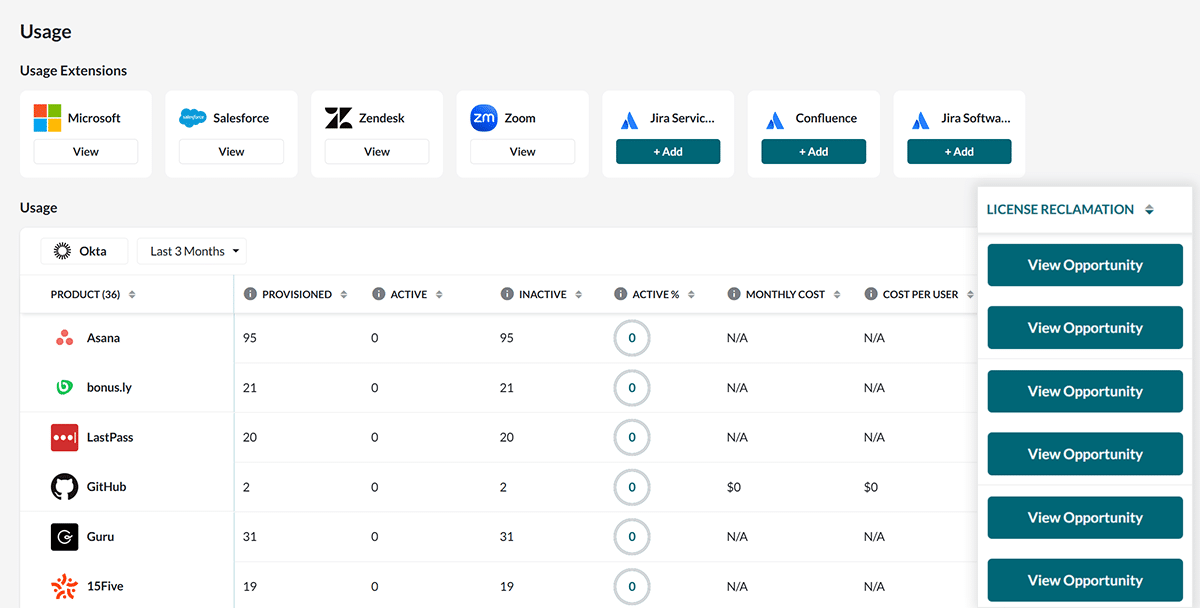
At the core of this approach is high-fidelity visibility into license utilization. BetterCloud integrates directly with SaaS applications to move beyond simple activity metrics like “last login” and instead surfaces functional usage data—how licenses are actually being used. This allows IT teams to identify zero-use, low-use, or misallocated licenses with precision, such as users who haven’t hosted meetings, rarely engage with premium features, or only require basic access levels.

Building on this visibility, BetterCloud enables proactive license reclamation workflows. Instead of conducting time-consuming manual audits, IT teams can act on system-identified optimization opportunities. Admins can review flagged users and initiate controlled workflows that notify employees, reclaim unused licenses, and reassign them where needed. This “human-in-the-loop” approach ensures cost savings without disrupting productivity or overwhelming support teams with sudden access changes.
BetterCloud also supports rightsizing and lifecycle automation by aligning license allocation with real-time user needs. As employees change roles, projects, or departments, the platform helps ensure their access—and associated costs—adjust accordingly. This prevents the common issue of “set-it-and-forget-it” provisioning, where users retain unnecessary premium licenses long after their needs evolve.
In addition, BetterCloud strengthens renewal and vendor management strategies by providing a reliable source of truth for SaaS spend and usage trends. IT leaders can leverage historical usage data, peak demand insights, and reclamation metrics to accurately forecast license requirements and negotiate contracts from a position of strength—avoiding over-purchasing and reducing wasted spend.
Finally, BetterCloud reinforces governance and compliance by standardizing how licenses are assigned, monitored, and revoked across the organization. With centralized policies and automated workflows, teams can ensure that access remains appropriate, auditable, and aligned with both security and financial objectives.
Together, these capabilities—discovery, usage intelligence, reclamation, rightsizing, renewals, and governance—enable IT teams to transform license management from a reactive administrative task into a strategic, continuous optimization process.
Request a demo to see how BetterCloud can help your team manage and track user licenses more effectively.