

Software license management: The 2026 playbook for cost, compliance, and control
IT and Finance leaders are under pressure to curb SaaS sprawl without slowing teams down. Software license management is how you do both: align entitlements to real usage, stay compliant, and reinvest savings into the tools employees actually need. This 2026 playbook shows what to measure, which pitfalls to avoid, and how BetterCloud automates the heavy lifting—from license reclamation to renewal workflows.
What is software license management (and why it matters in 2026)
Software license management (SLM) is the end-to-end process of tracking entitlements, monitoring usage, enforcing policy, and optimizing contracts. Done well, SLM:
- Shrinks SaaS spend by eliminating underutilized seats
- Reduces compliance risk with audit-ready records
- Improves employee experience by right-sizing access at every lifecycle event
In today's fast-paced business world, managing software licenses is crucial. Costs can quickly spiral out of control without proper oversight. Financial controllers often face the challenge of balancing technology needs with budget constraints.
Software license cost reduction is more than just cutting expenses. It's about optimizing resources and ensuring every dollar spent adds value. Understanding the different kinds of software licenses is the first step.
A robust license management system can prevent over-purchasing and under-utilization. This system helps in tracking and managing licenses efficiently. Regular audits can uncover unused licenses, offering potential savings.
License manager software automates many tasks, reducing administrative burdens. It provides insights into software usage patterns. Protecting software licenses from unauthorized use is also essential.
Software licensing solutions offer flexible options, like subscription models. These can be more cost-effective than traditional licenses. Negotiating better terms with vendors can lead to significant savings.
Business license management software streamlines processes across departments. It integrates with other systems for a comprehensive view. By following best practices for SaaS management, organizations can achieve sustainable cost reductions.
Understanding software licensing: The foundation for cost reduction
Software licensing is at the core of modern business operations. Understanding its intricacies can lead to significant cost savings. Each software comes with its licensing terms, impacting costs and compliance.
A firm grasp on software license management enables better financial oversight. It empowers businesses to align software usage with organizational goals. Identifying different license types is crucial for informed decisions.
Common types include perpetual, subscription, and usage-based licenses. These come with distinct benefits and challenges. Carefully selecting the right type can avert unnecessary expenses.
Businesses often overlook the importance of license renewals and terms. This oversight can lead to unexpected penalties or service disruptions. Monitoring license lifecycles & renewals helps prevent these issues.
A solid license management system offers structured management of all licenses. It ensures renewals are timely and compliance is maintained. Key aspects of effective management include:
- Comprehensive inventory of licenses
- Regular audits for compliance
- Automated alerts for renewals and expirations
By implementing these practices, organizations can avoid common pitfalls. They also gain a strategic advantage in vendor negotiations. Streamlined management lays the groundwork for software license cost reduction, positioning organizations for long-term savings.
Types of software licenses and their cost implications
Different software licenses cater to various business models. Understanding them is key to optimizing costs. Perpetual licenses involve a one-time fee for indefinite use.
Subscription licenses, on the other hand, require regular payments. They typically include support and updates, ideal for evolving needs. This model offers predictable costs but may become expensive over time.
Usage-based licenses charge per use, suitable for fluctuating requirements. These are cost-effective for occasional software users. However, they may lead to unplanned costs if usage spikes.
Choosing the right license impacts overall expenditure. Factors to consider include business size and software demand. Below are typical license types:
- Perpetual License: One-time fee, indefinite use
- Subscription License: Recurring costs, includes updates
- Usage-Based License: Pay-as-you-go, cost flexibility
Evaluating these options aids in selecting suitable licensing models. The right choice can significantly cut costs without compromising functionality. Thorough analysis ensures that software investments align with business objectives.
Common pitfalls in software license management
Ineffective software license management often leads to waste. Common pitfalls exist across businesses of all sizes. Without proper tracking, over-purchasing is a frequent issue.
Underused licenses represent another financial drain. Regular audits & usage monitoring are critical to identify these inefficiencies. Failure to comply with licensing terms can result in penalties.
Without structured management, renewal deadlines might be missed. These oversights can disrupt business operations. Below are typical pitfalls to watch for:
- Over-Purchasing: Buying more licenses than needed
- Under-Utilization: Paying for unused licenses
- Compliance Issues: Risks of non-compliance and penalties
By avoiding these pitfalls, organizations can maintain efficiency. Structured systems and regular audits are key components. They ensure smooth operations and significant cost savings.
Building a robust license management program
Establishing a strong license management program is fundamental for cost-effective operations. A well-built program ensures software assets are optimally utilized. This leads to significant cost savings and efficiency.
Begin with a comprehensive inventory of all software licenses. This step is crucial for identifying current resources. It sets the foundation for informed decision-making.
Next, appoint a dedicated team or individual to oversee license management. Accountability ensures ongoing attention to software assets. Include finance and IT representatives for a well-rounded approach.
Regular audits are essential to maintain compliance. They help uncover underused licenses and potential savings. Implementing automated tracking tools can streamline this process.
Training staff on software license management best practices encourages proactive management. Education minimizes errors and enhances compliance. Consider creating a knowledge repository accessible to all relevant staff.
To further enhance your program, ensure:
- A well-documented inventory system
- Regular communication with software vendors
- Proactive tracking of software usage
Finally, consider integrating your license management with other business processes. This promotes a holistic approach to managing technology investments. A robust program aligns with business goals, paving the way for strategic growth and innovation.
Selecting the right license manager software
Choosing the right license manager software can significantly enhance management efficiency. The ideal software aligns with your business needs and integrates with existing systems. It also offers user-friendly features that simplify operations.
Evaluate software solutions based on key criteria. Consider features such as automated tracking, reporting capabilities, and ease of integration. These elements ensure the software supports your management goals effectively.
Look for license manager software that offers scalability. This is crucial as your business grows and your software needs evolve. Flexibility in terms of deployment options is also beneficial.
Vendor support is another critical factor. Efficient customer service ensures quick resolution of issues. It also facilitates better utilization of the software.
When selecting license manager software, focus on:
- Automation: Reduces manual workload
- Scalability: Adapts to growing needs
- Integration: Works with existing systems
The right software enhances visibility and control over software assets. It helps streamline processes, ensuring efficient and cost-effective license management.
Implementing a license management system: Step-by-step
Implementing a license management system requires a structured approach. This ensures a smooth transition and maximizes the benefits. Begin by defining clear objectives for the system. These should align with your organizational goals and current challenges.
Next, conduct a thorough evaluation of existing licensing processes. Identify gaps and areas of improvement. This analysis guides the customization of the new system to address specific needs.
Formulate a detailed implementation plan. Include timelines, responsibilities, and resources required. This plan facilitates coordinated efforts across departments.
Select a system that best fits your organization's needs. Consider factors such as functionality, scalability, and budget. Ensure it includes features like automated tracking and reporting for efficiency.
Implement the system in phases for easier management. Start with a pilot program to test its functionality. Make necessary adjustments based on feedback before a full-scale rollout.
Key steps for implementation include:
- Defining objectives and needs
- Evaluating current processes
- Formulating a detailed plan
- Selecting the right system
- Phased implementation
Finally, provide adequate training to staff. This ensures everyone understands the system and its benefits. Continuous evaluation and feedback will help refine the system over time for sustained success.
Best practices for software license management
Implementing software license management best practices can drastically cut costs and increase efficiency. First, maintain a precise inventory of all licenses. Knowing what you own prevents duplicate purchases.
Track license expiration dates closely. This avoids disruptions and ensures continuous compliance. Set up alerts and reminders for renewals well in advance.
Another best practice involves negotiating vendor terms thoroughly. Secure favorable agreements by leveraging usage data. This can result in better discounts and terms.
Automation tools can simplify license management tasks. They reduce manual intervention and improve accuracy. Regular updates ensure the software meets evolving needs.
Training is vital for effective license management. Ensure staff understand usage policies and compliance requirements. This minimizes errors and unauthorized software installations.
Regularly review your software portfolio. Align it with current business needs to avoid waste. Remove or reallocate unused licenses to optimize resources.
Here’s a summary of best practices:
- Inventory management: Keep an updated list of licenses
- Expiration tracking: Set reminders for renewals
- Vendor negotiation: Use data for better terms
Additional strategies include:
- Automation: Implement tools for efficiency
- Training: Educate staff on license policies
- Regular portfolio reviews: Align with business needs
By adhering to these practices, you can protect your investment and align software usage with organizational goals.
Protecting software licenses and ensuring compliance
Protecting software licenses is critical to avoid legal issues and unnecessary costs. Unauthorized use can lead to penalties and compliance breaches. Enforce strict access controls to regulate who can utilize software.
Utilize digital rights management (DRM) to protect licenses from misuse. DRM prevents copying and illegal distribution. It’s an effective method to secure your software assets.
Regularly update software to patch vulnerabilities. This minimizes the risk of exploitation through outdated versions. Stay informed of updates through vendor communications.
Conduct compliance audits to identify unauthorized installations. Address issues promptly to mitigate risks. Audit results can guide necessary adjustments in policies.
Protection strategies include:
- Access controls: Limit software use
- DRM: Safeguard against misuse
- Regular updates: Protect from vulnerabilities
Regular audits and usage tracking
Regular audits and usage tracking ensure effective license management. Audits identify how software is being used across the organization. They highlight underutilized licenses for potential reallocation or removal.
Usage tracking tools provide real-time insights into software consumption. These tools help detect deviations from planned usage. They also facilitate compliance by maintaining accurate records.
Schedule audits periodically to maintain oversight. Quarterly audits are a good starting point. They provide enough frequency to catch changes early.
Leverage audit findings to inform budget planning and resource allocation. Results can highlight trends and set the course for strategic decisions. This ensures software investments align with business objectives.
Key audit activities include:
- Usage tracking: Monitor real-time software consumption
- Periodic scheduling: Conduct regular, timely audits
- Budget alignment: Use findings to guide planning
Through regular audits and precise usage tracking, organizations can prevent waste and optimize software investments effectively.
Software license optimization: Strategies for 2026
Effective software license optimization is crucial for reducing costs in 2026. Begin by aligning software usage with current business objectives. This ensures licenses are used efficiently.
Consider transitioning to subscription-based models. These can offer more flexibility and lower upfront costs compared to perpetual licenses. Evaluate which model best suits your operational needs.
Regularly assess software usage against business goals. This helps identify redundant or underused applications. Removing these licenses can lead to substantial savings.
Engage in continuous dialogue with software vendors. Regular communication can lead to better deals and early insights into beneficial changes. Vendors can also offer tailored solutions that meet specific needs.
Implement tools that provide insights into software utilization. This data informs decision-making and facilitates strategic adjustments. Advanced analytics can reveal hidden patterns and opportunities for savings.
Understand compliance requirements and track usage meticulously. This avoids penalties and aligns usage with legal standards. Consistent compliance checks provide a safety net against unforeseen legal issues.
For current trends shaping these decisions, see the 2026 State of SaaS report.
Here are key strategies for 2026:
- Align usage with goals: Ensure licenses meet business needs
- Opt for flexible models: Consider subscription licenses
- Engage vendors actively: Maintain open communication
Optimize software assets with these insights:
- Deploy analytics tools: Use data to inform choices
- Ensure compliance: Regular checks reduce risks
Leveraging software licensing solutions for cost savings
Software licensing solutions play a vital role in cost reduction. These tools provide comprehensive features to manage and optimize licenses efficiently. Choose solutions that integrate well with existing infrastructure for seamless functionality.
Look for solutions that offer analytics capabilities. Analytical insights help identify trends and detect inefficiencies. These features are essential for making informed adjustments to your licensing strategy.
Cloud-based licensing solutions offer scalability. They allow businesses to adapt quickly to changing needs without significant costs. This flexibility supports long-term savings.
Consider solutions that include compliance management features. Automated compliance checks can prevent costly penalties. They simplify the task of aligning with regulatory requirements.
Key features to look for in licensing solutions:
- Integration abilities: Seamless connection with infrastructure
- Analytics capabilities: Insight-driven decision-making
- Scalability: Adapt to changing needs
The right solution can significantly enhance operational efficiency and cost management.
Negotiating with vendors and contract renewal tactics
Successful vendor negotiation can lead to substantial savings. Begin by researching vendor offerings and understanding pricing structures. This knowledge forms the foundation for effective negotiations.
Use data to substantiate your demands. Historical usage data and future forecasts can justify requests for discounts or better terms. Vendors appreciate well-supported proposals.
Negotiate for volume discounts if applicable. Bundling licenses often results in cost efficiencies. This can be advantageous for businesses with significant software needs.
Focus on flexibility in contract terms. Clauses allowing for scalability or cancellation without penalties are advantageous. They provide room to adapt contracts as business requirements evolve.
Strategies for vendor negotiation include:
- Research thoroughly: Understand market offerings
- Substantiate with data: Use usage metrics
- Seek volume discounts: Bundle for savings
By adopting these tactics, you can secure favorable terms that align with financial goals and operational needs. For a structured approach, use this software renewals checklist.
Advanced tactics: Automation, AI, and cloud-based management
Leveraging advanced technologies like automation, AI, and cloud-based management can revolutionize software license management. Automation reduces manual efforts, enhancing accuracy and efficiency in managing licenses.
AI provides predictive analytics, offering insights into future license needs. This foresight enables proactive planning and budget optimization. AI tools learn from usage patterns, suggesting cost-saving opportunities.
Cloud-based solutions bring unparalleled flexibility and scalability. These platforms provide real-time access to license data, ensuring you can manage resources from anywhere. This accessibility is crucial for dynamic and remote work environments.
Automation tools handle routine tasks such as renewals and compliance checks. They free up staff to focus on strategic decisions and innovation. This focus drives long-term efficiency and growth.
Implementing AI can help detect anomalies and prevent misuse. Machine learning algorithms identify unusual patterns, safeguarding your licenses against unauthorized use. Early detection ensures compliance and reduces legal risks.
Key benefits of advanced tactics include:
- Increased efficiency: Automation reduces manual tasks
- Predictive insights: AI foresees needs
Consider these actions to leverage advanced technologies:
- Adopt cloud solutions: Enhance scalability
- Implement AI tools: Gain predictive insights
These technologies position businesses to stay ahead in the competitive 2026 landscape. They provide a strategic advantage in managing software licenses effectively.
See how BetterCloud automates license reclamation and ULM workflows to boost efficiency.
Integrating license management with financial systems
Integrating license management with financial systems enhances budget tracking and accuracy. This integration offers a holistic view of expenditures related to software assets, aiding in strategic planning.
Seamless integration allows for real-time financial data updates, facilitating proactive budget adjustments. It also helps identify discrepancies between anticipated and actual costs, highlighting areas needing attention.
Financial systems integration supports cost forecasting. Accurate predictions help in allocating resources efficiently and avoiding unforeseen expenses. This foresight supports better financial planning.
To achieve effective integration, consider:
- Automated data updates: Keep financial data current
- Consistency checks: Identify and correct discrepancies
- Forecasting tools: Plan resource allocation
By integrating these systems, organizations can optimize their financial performance and ensure better alignment with business objectives.
Training, change management, and cross-department collaboration
Successful software license management requires robust training, effective change management, and collaboration across departments. Training ensures that staff understand systems and processes, enhancing overall compliance and efficiency.
Implement ongoing training sessions to keep teams updated on best practices and technological advancements. Regular updates ensure that employees can leverage the tools to their fullest potential.
Change management is key to smooth transitions. Clearly communicate changes to stakeholders and seek their buy-in. Transparency fosters acceptance and reduces resistance to new systems or processes.
Promote collaboration between IT, finance, and other departments. Cross-departmental initiatives break silos and ensure alignment on software needs and financial goals. This teamwork is crucial for a cohesive strategy.
Key actions for effective management:
- Regular training: Ensure staff proficiency
- Clear communication: Facilitate transitions
- Collaborative efforts: Align goals across departments
Implementing these practices supports a seamless management process, enhancing organizational effectiveness and driving towards cost-effective software license use.
Measuring success: KPIs and continuous improvement
Accurate measurement is key to successful software license cost reduction. Using Key Performance Indicators (KPIs) allows businesses to gauge their effectiveness in managing licenses.
KPIs should be specific, measurable, and relevant to software license management. These indicators help track usage, compliance, and financial outcomes. Regularly reviewing these metrics ensures ongoing improvements.
Some essential KPIs include the percentage of licenses utilized versus purchased, compliance rates, and the cost per user. Analyzing these metrics can uncover inefficiencies and inform strategic decisions.
Continuous improvement relies on these insights to refine strategies. Regularly update KPIs to reflect changing business environments and goals. This adaptability ensures that measures stay relevant and useful.
Key KPIs to consider include:
- License utilization rate: Maximize use
- Compliance rate: Ensure adherence to terms
- Cost metrics: Evaluate expenditures per user
By focusing on these KPIs, organizations can maintain a cycle of evaluation and adaptation, leading to sustained cost reductions and optimal software license management.
Top software license management trends for 2026
Software license management has evolved from a back-office administrative function into a strategic discipline that directly impacts cost control, security, and operational efficiency. As organizations continue to invest in SaaS applications and AI-powered tools, IT and Finance teams face new challenges—and opportunities—to optimize software spend. Here are the key software license management trends shaping 2026.
1. AI License governance becomes a priority
The rapid adoption of AI tools such as Microsoft Copilot, ChatGPT Enterprise, Gemini, and Claude is creating a new category of software spend. Unlike traditional SaaS licenses, AI add-ons often come with premium pricing and variable usage patterns.
Organizations are increasingly focused on identifying which employees need advanced AI capabilities, monitoring adoption rates, and reclaiming underutilized AI licenses. As AI investments grow, license governance will play a critical role in maximizing ROI and preventing unnecessary costs.
2. Automated license reclamation moves from nice-to-have to essential
Manual license audits can no longer keep pace with today's dynamic workforce. Employees change roles, leave the organization, or stop using applications regularly, leaving valuable licenses sitting idle.
In 2026, leading organizations are automating license reclamation workflows that identify inactive users, recover unused licenses, and reassign them to employees who need access. This approach reduces software waste while ensuring teams have the tools they need to stay productive.
3. SaaS FinOps expands beyond cloud infrastructure
FinOps practices have traditionally focused on cloud infrastructure costs, but organizations are increasingly applying the same principles to SaaS spending.
IT and Finance teams are collaborating to improve visibility into software utilization, assign ownership for application costs, and measure software investments against business outcomes. By treating SaaS spend as an ongoing optimization effort rather than a procurement event, organizations can make more informed budgeting and renewal decisions.
4. Renewal management becomes a strategic cost-saving lever
Many organizations continue to lose money through auto-renewals and poorly timed contract negotiations. As software portfolios grow, proactive renewal management is becoming a critical component of effective license optimization.
Organizations are investing in systems that provide visibility into upcoming renewals, track software adoption trends, and surface opportunities to consolidate vendors or reduce license counts before contracts renew. Entering negotiations with accurate usage data can significantly improve pricing and contract terms.
5. Security and license management become more closely connected
Unused software licenses often represent more than wasted spend—they can also create security risks. Dormant accounts, excessive permissions, and overlooked SaaS access can expand an organization's attack surface.
As a result, more companies are integrating license management with identity and access management processes. Automating license provisioning and deprovisioning during onboarding, role changes, and offboarding helps reduce both costs and security risks.
6. Usage-based optimization replaces seat-based tracking alone
Simply tracking purchased licenses is no longer enough. Organizations are increasingly analyzing how applications are actually being used, including login frequency, feature adoption, and engagement trends.
Usage intelligence helps IT teams identify opportunities to downgrade licenses, consolidate overlapping tools, or eliminate applications that provide limited business value. This shift from entitlement tracking to usage optimization is helping organizations achieve more sustainable software cost reductions.
7. Unified SaaS Management Platforms gain adoption
Managing licenses across dozens—or even hundreds—of SaaS applications through spreadsheets and disconnected tools is becoming unsustainable.
Organizations are increasingly adopting unified SaaS management platforms that centralize application inventory, license data, usage insights, renewal information, and automation workflows. A consolidated approach enables IT teams to make faster decisions, improve compliance, and reduce administrative overhead while maintaining control of their software ecosystem.
Achieving sustainable software license cost reduction
Attaining sustainable reduction in software license costs requires strategic planning and execution. By implementing advanced tools and practices, financial controllers can optimize spending and improve oversight.
Staying informed about the latest software licensing solutions and management systems is critical. Engage with technology that offers automation, AI capabilities, and cloud management to maximize efficiency.
Regularly revisit contracts and vendor agreements. Adjusting these in line with current usage patterns can lead to increased savings. Collaborate across departments to align objectives, ensuring technology supports overall business goals.
Embrace a proactive approach with these strategies to not only reduce costs but also enhance operational efficiency and compliance. Create a culture focused on continuous improvement and financial prudence through better technology management.
How BetterCloud helps you cut license costs (and prove it)
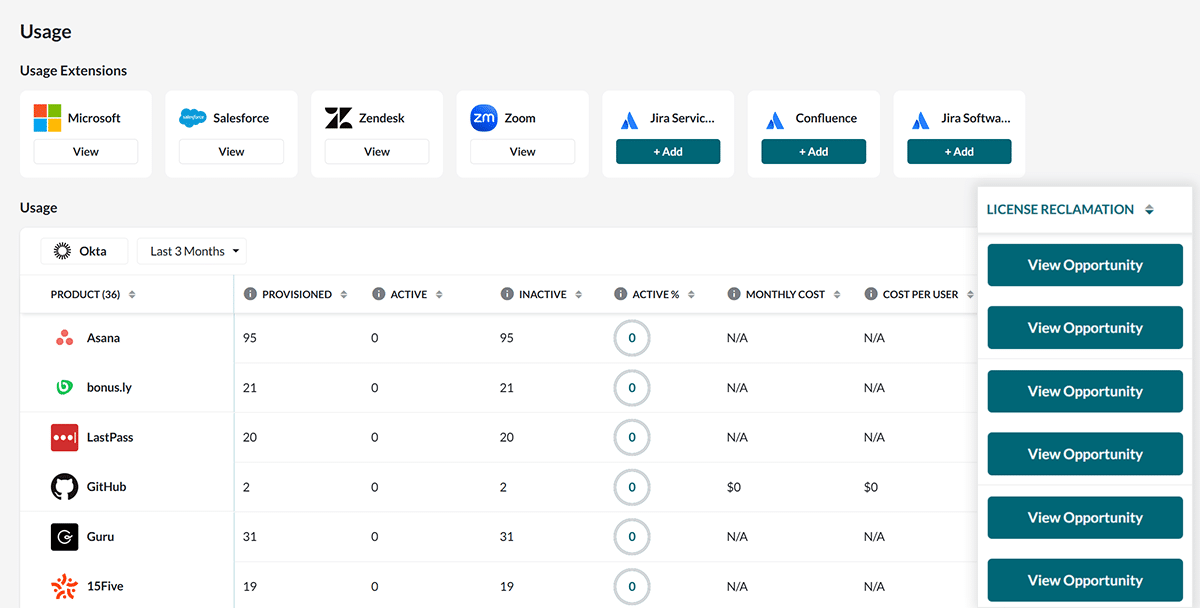
BetterCloud’s SaaS Management Platform centralizes app, user, and license data; automates reclamation and renewal workflows; and enforces policies to keep you compliant—so IT can reduce spend without sacrificing productivity. Use usage monitoring to spot underutilized seats, trigger automated license reclamation, and generate audit-ready reports that strengthen vendor negotiations and renewal decisions.
Cut SaaS waste, tighten compliance, and keep teams productive. See BetterCloud automate license reclamation and renewal workflows—request a personalized demo.
Frequently Asked Questions on software license cost reduction
The process begins by auditing all software licenses to understand current usage. Next, implement a strong license management system. Regularly track and adjust as business needs change.