

How to identify underutilized SaaS subscriptions
In today's digital age, businesses rely heavily on Software as a Service (SaaS) solutions. These tools promise efficiency and scalability. However, many organizations face a common issue: underutilized SaaS subscriptions.
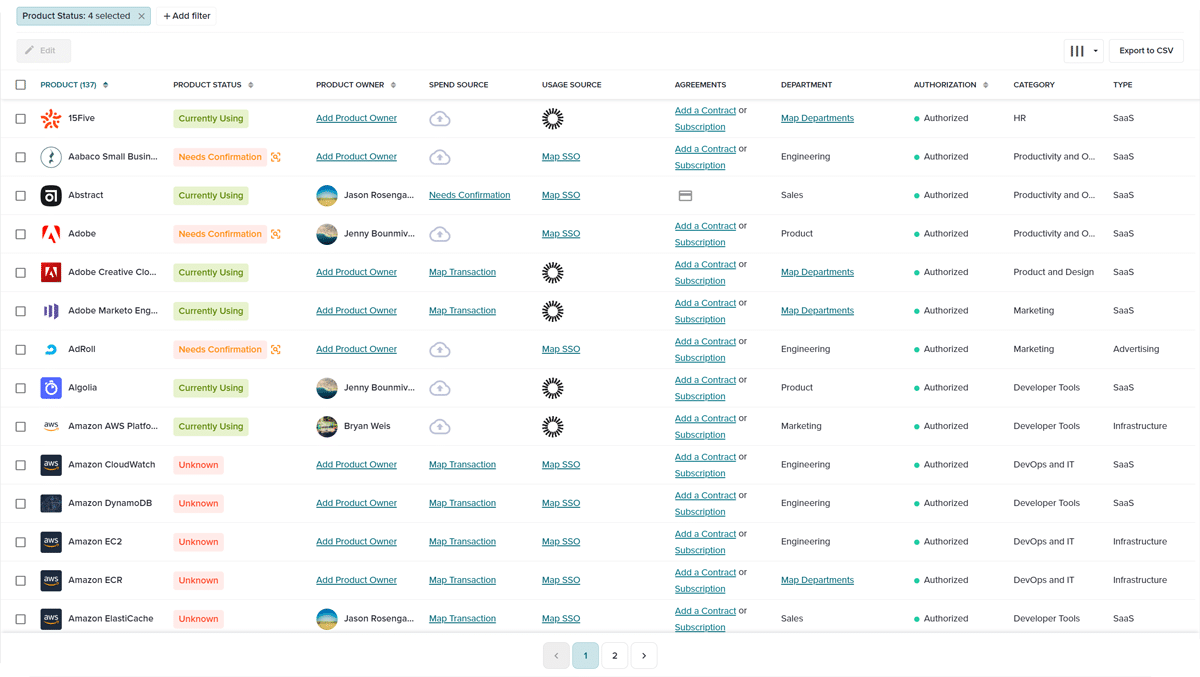
Unused or underused subscriptions can drain financial resources. They often go unnoticed, quietly impacting budgets. Financial controllers must address this challenge to optimize spending.
Identifying underutilized SaaS subscriptions is crucial. It helps in reducing unnecessary costs. This process requires a strategic approach and the right tools—like a dedicated Spend Optimization solution.
Subscription management tools play a vital role. They provide visibility into usage patterns. With these insights, financial controllers can make informed decisions.
Regular audits of SaaS subscriptions are essential. They ensure that every dollar spent aligns with business needs. This practice enhances financial oversight and accountability—see the practical “track, reclaim, renew” approach in this software sanity check.
Collaboration with IT departments is also key. It helps in understanding the actual requirements of each department. Together, they can streamline SaaS investments.
Ultimately, the goal is to maximize SaaS value. By doing so, businesses can achieve better financial outcomes. This guide will explore effective strategies to identify and manage underutilized SaaS subscriptions.
The true cost of underutilized SaaS subscriptions
Underutilization isn’t just the license line item. It creates operational drag (onboarding/offboarding risk), opportunity cost (budget stranded in low-value tools), and admin overhead. When finance and IT can see usage against entitlements and contract dates in one place, waste becomes actionable. Awareness is the first step toward effective management—this guide to SaaS operations management is a helpful companion.
There are several hidden costs to consider:
- Subscription fees: Monthly/annual seats that see little or no activity
- Opportunity cost: Spend that could fund higher-ROI apps or initiatives
- Admin overhead: Time chasing spreadsheets, approvals, and vendor emails
- Risk exposure: Orphaned accounts and over-permissioned users
Identifying and addressing these costs is crucial for financial oversight. By identifying areas of wastage, financial controllers can implement more focused budget strategies. Reducing unnecessary SaaS spending can directly improve the bottom line.
Furthermore, optimizing the use of SaaS tools can drive business growth. Redirecting resources to strategic initiatives is possible once subscriptions are aligned with business goals. This ensures that every dollar contributes to organizational success.
Ultimately, understanding the true cost of underutilized SaaS subscriptions is vital for financial sustainability and efficiency.
Why underutilization happens (and warning signs to watch)
Several factors contribute to the underutilization of SaaS subscriptions. Understanding them helps in identifying warning signs early on.
Common causes
- Overestimated adoption or incomplete enablement
- Misaligned plans/tiers vs. how teams actually work
- Feature awareness gaps; users default to old workflows
- M&A or reorgs leaving licenses stranded
One common cause is the overestimation of user adoption. Companies often assume all employees will use new software. When adoption rates fall short, subscriptions remain underutilized—consider pairing usage analytics with employee sentiment surveys in Spend Optimization.
Misalignment between SaaS tools and business needs also leads to low usage. Software that fails to address specific challenges becomes redundant.
Lack of awareness about available features within a SaaS platform can limit usage. When users don’t understand what tools can do, they often revert to familiar methods.
Frequent organizational changes also play a role. Mergers or restructuring can render some subscriptions unnecessary.
Early warning signs
- Low engagement: Few logins / long last-seen intervals
- Duplicate features: Multiple tools solving the same job
- Excess licenses: Purchased seats ≫ active users
- Red flags: Orphaned accounts, shared seats, or unused high-tier features
Recognizing these signs enables timely intervention. By addressing the root causes, companies can make adjustments and prevent wasted spending. Addressing underutilization requires a proactive approach, ensuring resources are optimized for maximum benefit.
Pro tip: Pair usage analytics with employee sentiment surveys in BetterCloud to separate “unused because broken/misaligned” from “unused because unnecessary.”
Build your SaaS inventory (your system of record)
Creating a comprehensive SaaS inventory is essential for effective subscription management. It serves as the foundation for identifying underutilized tools and optimizing costs. A robust SMP acts as a system of record—see the renewals checklist on centralized software inventory.
Start by listing all current SaaS subscriptions. Include basic details like vendor, cost, renewal dates, and the purpose of each tool. This information provides clarity on what resources are available.
Next, categorize the subscriptions based on departments or functions. Grouping them by usage makes tracking easier and highlights overlapping services. It also helps identify tools that are crucial for specific operations.
Regularly updating the inventory ensures accuracy. Changes in business needs or employee roles can affect SaaS usage. Periodic reviews enable financial controllers to make informed decisions about renewals and cancellations.
An effective SaaS inventory should include
- Vendor, product, plan/tier, owner, business purpose
- Contract term, renewal date, payment terms
- Seat counts (purchased/assigned/active), cost centers
- SSO status, scopes/permissions, data residency
Maintaining a current inventory allows for efficient oversight. It empowers decision-makers to optimize the value derived from each subscription.
With BetterCloud
- Discovery: Identify sanctioned + unsanctioned (shadow IT) apps
- Normalization: Deduplicate app names and standardize vendors
- Ownership: Tag app owners and map departments/cost centers
How to audit SaaS usage (step-by-step)
Conducting a SaaS audit helps uncover underutilized subscriptions. This process is pivotal for financial controllers seeking to maximize value and control costs.
Begin the audit by compiling detailed usage reports. Gather data on how frequently each SaaS tool is used—then apply automated license reclamation policies where appropriate.
Engage with department heads to understand usage patterns. They can provide context on why certain tools are vital or redundant. Their input ensures that decisions are informed by actual business needs.
Analyze the data to identify subscriptions with low usage. Investigate whether these tools are crucial or if their functions overlap with others. This step highlights potential areas for cost reduction.
Renegotiate contracts based on usage insights. Leveraging this data can help you align subscription terms with actual needs. This approach can yield financial savings and more flexible agreements.
Key steps for a thorough SaaS audit
- Data collection: Gather comprehensive usage reports.
- Stakeholder engagement: Consult department heads for insights.
- Usage analysis: Identify low-utilization subscriptions.
- Contract reevaluation: Negotiate terms based on findings.
Regular auditing is a proactive strategy for managing SaaS costs. By continuously evaluating your subscription portfolio, you ensure it meets evolving business requirements, thus streamlining financial management.
Automation idea: BetterCloud workflow—if user inactive 30 days → email + manager approval → downgrade seat → log change → update inventory.
Leveraging subscription management tools for visibility and control
Subscription management tools are invaluable for maintaining clarity over your SaaS investments. These tools facilitate an organized view of all active subscriptions.
They provide critical insights into usage trends. Analyzing these trends can help identify which subscriptions might be underutilized. This offers a basis for making informed financial decisions.
Many subscription management tools offer dashboards. These dashboards display real-time data on SaaS usage. They help financial controllers track performance against business goals.
Alert features in these tools are beneficial. They notify you when usage drops below a predetermined threshold and can trigger workflows—see how BetterCloud workflows orchestrate actions and approvals.
To harness these tools effectively
- Organize subscriptions: Use dashboards to categorize and monitor them.
- Analyze trends: Use provided data for usage patterns and decision-making.
- Leverage alerts: Set thresholds to get notifications for low usage.
- Evaluate performance: Match tool usage with strategic goals.
Implementing subscription management tools thus streamlines the management process. By doing so, financial controllers can exercise greater control over SaaS expenditures. This ensures alignment with organizational financial strategies and maximization of SaaS value.
Analyzing usage data: Metrics and KPIs to watch
Interpreting usage data is crucial for identifying underutilized SaaS subscriptions. Financial controllers should focus on key metrics to evaluate subscription health.
Start with user activity metrics. These reveal how often the tool is accessed. Low engagement might suggest that a subscription is unnecessary—tie these insights to license optimization based on usage & entitlements.
Next, consider the cost per active user. This KPI helps determine if the money spent aligns with the benefit received. High costs with low user activity indicate inefficiency.
In addition, monitor feature utilization rates. Pinpoint which functions are heavily used versus those that gather dust. This can guide negotiations for more tailored plans.
Lastly, examine the subscription’s integration frequency with other tools. Low integration might suggest limited usefulness to your broader operations.
Essential metrics to track
- Active usage rate = active users ÷ assigned seats
- Seat utilization = (used seats ÷ purchased seats)
- Cost per active user = monthly cost ÷ active users
- Feature utilization = % of users adopting key features
- Last-login age buckets: 0–7, 8–30, 31–60, 60+ days
- Duplicate app coverage: # apps per job-to-be-done (e.g., e-sign, whiteboarding)
- Orphaned accounts after offboarding
Aim for role-based benchmarks rather than a single global threshold.
Regular analysis of these data points offers insight into optimizing SaaS investments. It helps maintain a balance between cost and utility, ensuring strategic alignment with business goals.
Identifying redundancies and overlapping tools
Redundancies in SaaS tools can lead to wasted resources. Identifying overlap is a vital step in reducing unnecessary expenses. Start by cataloging all current subscriptions and uncovering “hidden” apps via shadow IT discovery.
This comprehensive list will highlight areas of overlap. Tools with similar functions may be serving the same purpose, unnecessarily bloating costs. By comparing features, financial controllers can identify where consolidation is possible.
Communication among departments is essential. Different teams might use different tools for the same task unknowingly, leading to redundancies. Regular discussions can unveil these overlaps.
Afterward, evaluate tool effectiveness. Prioritize keeping the tool that offers greater value or better integration with existing processes.
Steps to reduce redundancies
- Create a tool inventory: List all current subscriptions.
- Analyze feature overlap: Look for tools with similar functionalities.
- Engage departments: Gather input from teams on tool usage.
- Evaluate and consolidate: Decide which tools to retain or eliminate.
Reducing redundancies not only cuts costs but also simplifies technology management. It enhances focus on tools that drive the most value.
Managing renewals and avoiding auto-renewal pitfalls
Auto-renewals can trap organizations into paying for underutilized SaaS subscriptions. Financial controllers need a structured renewal management process. Start by tracking all renewal dates with renewal alerting and a smart renewals checklist.
Setting up reminders well ahead of these dates allows time for informed decisions. Early planning ensures you have the space to assess whether a tool still meets your organization’s needs—here’s how to avoid automatic renewals & save big. Failing to do so can lead to continued payments for services you no longer need.
Consider negotiating terms with vendors before renewal periods. Exploring alternative options can provide a better fit or save costs. Many vendors offer flexible subscription models that might align better with current needs.
It’s also beneficial to implement a renewal policy. This should outline procedures for evaluating a tool’s ongoing value and for making renewal decisions.
Key actions
- Track all renewal dates with 60-, 30-, and 14-day alerts
- Attach usage reports and seat utilization to each contract record
- Right-size: downgrade tiers, reduce seats, or switch to usage-based plans
- Negotiate: bring competitive benchmarks and consolidation plans
- Document decisions; feed them back into your inventory
Active management of renewals helps in avoiding unnecessary expenses and maximizes value.
Collaborating across departments for accurate assessment
Siloed departments can lead to misinformed SaaS utilization evaluations. Cross-departmental collaboration ensures a comprehensive understanding of SaaS needs. Each team might use software differently.
Financial controllers should work with IT, operations, and users to verify application utilization. This holistic view enables pinpointing underutilized resources. Consistent communication between departments supports a clear assessment of tool effectiveness.
Setting up regular interdepartmental meetings can uncover hidden SaaS insights. These discussions encourage feedback on tool performance and utility.
Key steps
- Engage with IT and users: Discuss specific needs and usage.
- Regular interdepartmental meetings: Schedule discussions for updates.
- Share utilization reports: Disseminate findings among departments.
- Act on feedback: Implement changes based on collaborative input.
By leveraging diverse perspectives, organizations can make well-rounded, informed decisions on SaaS investments.
Best practices for ongoing SaaS optimization
Achieving sustained SaaS optimization requires a proactive and informed approach. Regularly reviewing and optimizing SaaS subscriptions ensures they continue to align with business objectives. A structured process can lead to significant cost savings.
To keep SaaS investments efficient, financial controllers should conduct routine audits of all subscriptions. This practice helps identify underused services and facilitates timely action. It’s important to leverage data analytics to gain insights into usage patterns and trends.
Additionally, implementing a centralized management system aids in monitoring subscriptions effectively. This centralization simplifies oversight and enhances operational efficiency by providing a clear view of all SaaS tools.
Best practices
- Regular audits: Consistently evaluate SaaS usage.
- Data-driven insights: Utilize analytics for trend identification.
- Central management system: Streamline subscription oversight.
- Feedback loop: Gather user input for tool efficacy.
By employing these strategies, organizations can maximize the value derived from their SaaS investments.
Maximizing SaaS value and financial oversight
Effective management of underutilized SaaS subscriptions can significantly enhance financial oversight. By diligently reviewing subscriptions, financial controllers can uncover valuable cost savings. Implementing subscription management tools and regular audits facilitates this process.
Proactive strategies lead to better utilization of technology investments. Financial controllers must align SaaS usage with business objectives. Collaborating with departments ensures that resources meet actual needs, promoting efficient spending. Through these efforts, organizations can not only maximize SaaS value but also sustain financial health, supporting strategic growth and operational excellence.
Why BetterCloud for underutilized SaaS detection & savings
BetterCloud Spend Optimization brings discovery, usage insights, employee sentiment, renewal alerting, and no‑code automation into a single view—so finance and IT can spot idle licenses fast and act with confidence.
What you can do with BetterCloud:
- See all apps, costs, and renewals in one inventory
- Identify internal sentiment for SaaS tools and monitor usage
- Trigger automated reclamation/downgrade/reassignment workflows
- Run approval flows with managers and app owners
- Keep contracts, costs, and utilization in sync for negotiations
Ready to eliminate waste and right‑size your stack? Request a demo.
FAQs: Identifying underutilized SaaS subscriptions
A license or plan where activity falls below your role‑based threshold (e.g., no login in 30 days, minimal core actions, or unused premium features).