

How can IT align GTM tools to drive revenue?
In today's fast-paced digital landscape, IT managers face mounting pressure to support revenue growth. The key lies in leveraging the right Go-To-Market (GTM) tools. These tools are essential for aligning sales, marketing, and customer success teams. They streamline operations and enhance cross-departmental collaboration.
But what exactly is GTM in IT? It’s a strategic approach that integrates technology to optimize market entry and expansion. A well-structured GTM tech stack can significantly boost revenue. It does so by improving efficiency and reducing time-to-market.
No-code platforms are revolutionizing how IT managers support the organization’s efforts to implement GTM tools. They eliminate the need for extensive coding, making deployment faster and more cost-effective. This empowers IT managers to focus on strategic initiatives rather than technical complexities.
Evaluating your technology stack is crucial. It ensures that your tools meet current business needs and adapt to market changes. Integrating cross-channel tools with existing marketing tech stacks enhances data flow and customer insights.
Data hygiene solutions are vital for maintaining the accuracy of integrated sales and marketing stacks. They ensure reliable data, which is critical for informed decision-making. A comprehensive GTM system includes tools for sales enablement, marketing automation, and customer success management.
The right GTM technology provides actionable insights through data analytics. This improves decision-making processes and enhances the strategic positioning of IT within the organization. By supporting the selection, implementation and use of GTM tools, IT managers can demonstrate tangible business value and drive innovation.
What is GTM in IT? Understanding the Go-To-Market tech stack
Go‑to‑Market (GTM) is the cross-functional motion to attract, convert, and expand customers. For IT, GTM means curating and governing the apps that power those motions and ensuring they’re integrated, secure, and automated.
Incorporating a robust GTM tech stack is crucial for IT managers aiming to optimize efficiency. This stack includes various tools that support end-to-end workflow integration. By doing so, it streamlines communication and decision-making across teams.
A well-integrated GTM stack comprises several components:
- Sales Enablement Tools: Equip sales teams with data-driven insights.
- Marketing Automation Platforms: Automate and personalize marketing efforts.
- Customer Success Platforms: Enhance customer engagement and retention.
These tools play a pivotal role in aligning organizational functions. They ensure that each department works towards shared revenue goals. Implementing the right GTM stack fosters a cohesive approach to market challenges.
IT managers must deeply understand the technology and its operational impacts. This knowledge facilitates the selection of tools that best fit organizational needs. Regular evaluation of the tech stack—and even rebalancing spend with SaaS optimization—ensures ongoing alignment with strategic objectives.
By comprehending the full scope of GTM in IT, managers can harness technology for competitive advantages. Such foresight not only supports current goals but also readies organizations for future developments.
The modern GTM tools stack (and what to look for)
In today’s dynamic business environment, a modern GTM tech stack is indispensable. It serves as the foundation for effective sales, marketing, and customer engagement strategies. This integration is key for adapting to evolving market demands.
The strategic value of a GTM stack lies in its ability to unify company efforts. By seamlessly connecting diverse operational areas, it boosts cross-departmental efficiency. A cohesive tech stack leads to improved collaboration and resource utilization.
Strategically aligned GTM tools enhance decision-making capabilities. They provide real-time data analytics and insights that inform critical business strategies. These insights help businesses remain agile and responsive to new opportunities.
Core components of a high-performing GTM stack include:
- Data Analytics Tools: Deliver actionable insights for decision-making.
- CRM Systems: Improve customer relationship management.
- Integration Platforms: Ensure seamless connectivity between systems.
Effective GTM tools strengthen the strategic positioning of IT within organizations. They demonstrate how technology drives tangible business outcomes. This reinforces IT’s role as a critical enabler of growth.
Regularly updating the GTM tech stack ensures compatibility with emerging technologies. This proactive approach helps businesses maintain a competitive edge. It prepares organizations to navigate future market shifts effectively.
Core components of a revenue-boosting GTM stack
Crafting a revenue-boosting GTM stack demands careful selection of components. The tools need to align with business goals and facilitate seamless operations. Let’s explore the essential elements.
A robust GTM stack begins with customer relationship management (CRM) systems. These systems are crucial for maintaining customer interactions and histories. They offer insights that are vital for strategic marketing initiatives.
Marketing automation platforms are another key component. They help streamline and automate marketing tasks. This efficiency enables teams to focus on creating impactful strategies.
Next up is sales enablement software, which empowers sales teams with necessary resources. These tools provide valuable content and data for closing deals. Enhanced sales capabilities contribute directly to revenue growth.
Additional crucial components include:
- Analytics Tools: For performance measurement and insight generation.
- Content Management Systems: To manage and distribute marketing content effectively.
A well-integrated stack also includes a strong customer success platform. This platform ensures post-sale engagement and support. Maintaining customer satisfaction leads to increased loyalty and lifetime value.
Integration platforms are indispensable for connecting diverse tools. These platforms eliminate operational silos and ensure smooth data flow. Unified systems create a complete view of business operations.
To boost revenue, data hygiene solutions are also essential. They guarantee the accuracy and reliability of CRM and sales data. Clean data drives better decision-making and optimizes marketing efforts.
A thoughtfully designed GTM stack positions IT as a strategic enabler. It underscores IT’s role in driving business growth through innovative technology. Investing in these components equips businesses to thrive in competitive markets.
Evaluating your technology stack: Key questions for IT managers
Regular evaluation of your technology stack is essential. It ensures the tools align with current business needs. IT managers must address critical questions to assess their GTM stack’s effectiveness.
Firstly, assess whether all components integrate seamlessly. Integration problems can lead to data silos, disrupting operations. Ensuring connectivity is crucial for a unified system.
Consider the scalability of your stack. Can it grow with your organization’s needs? A flexible stack supports future expansion and adapts to changes.
Security is another vital aspect to examine. Does your stack protect sensitive business data? Strong security measures safeguard against potential breaches.
Evaluate how well your tools enhance cross-departmental collaboration. Collaboration fosters innovation and efficiency. Tools that support teamwork can drive better business outcomes.
IT managers should also focus on user-friendliness. Are the tools intuitive for all team members? High adoption rates hinge on easy-to-use systems.
Here are key questions to guide your evaluation:
- Does your stack support future growth?
- Are there any integration challenges?
- How secure are your GTM tools?
- Do they enhance cross-functional collaboration?
- Are the tools user-friendly enough for wide adoption?
Regular assessment helps in identifying gaps and improvements. IT managers play a strategic role by maintaining an effective technology stack. This vigilance ensures sustained business growth and operational excellence.
How to integrate cross-channel tools with existing marketing tech stacks
Integrating cross-channel tools with existing marketing tech stacks can be complex. Effective integration enhances data flow and customer insights.
Begin by evaluating your current tech stack. Identify the tools you already use. Understanding your existing setup is crucial for seamless integration.
Next, choose cross-channel tools compatible with your tech stack. Look for tools offering robust APIs. This makes connecting different systems much easier.
Plan the integration process carefully. Clear goals and timelines help streamline the process. Setting realistic expectations ensures smoother execution.
It’s essential to involve key stakeholders early. Collaboration across departments can help identify potential roadblocks. This approach fosters better teamwork and buy-in.
Training is another key aspect. Ensure that team members understand the new tools. Training helps maximize the tools’ potential and encourages adoption.
Monitor the integration process continuously. Regular checks prevent disruptions. They also allow you to make necessary adjustments quickly.
Here are steps to consider during integration:
- Evaluate existing tech stack components. Inventory apps and usage with SaaS discovery & spend insights.
- Select tools with robust API support.
- Plan with clear goals and timelines.
Additional tips for successful integration include:
- Involving stakeholders from the outset.
- Providing comprehensive training for team members.
- Monitoring progress consistently and adjusting as needed.
Successfully integrating cross-channel tools enhances your marketing effectiveness. It streamlines operations and provides deeper customer insights. This strategic approach empowers teams to make data-driven decisions. A well-integrated marketing tech stack leads to improved performance and results.
Data hygiene solutions for integrated sales and marketing stacks
Data hygiene is crucial in maintaining the integrity of sales and marketing stacks. Clean data leads to accurate insights and better decision-making.
Poor data hygiene can result in costly errors. It can cause misaligned sales strategies or wasted marketing efforts. Therefore, it’s essential to prioritize data quality.
Start by identifying and removing duplicate data. Duplicates can skew analytics, leading to flawed conclusions. Regular audits help keep your data clean.
Also, standardizing data formats across systems enhances consistency. Ensure that all entered data adheres to set guidelines. Consistent data formats prevent integration issues.
Implement validation checks at data entry points. Automatic verification can catch errors early. This reduces the risk of inaccuracies propagating through systems.
Finally, invest in tools that automate data cleaning. Automation saves time and increases efficiency. It allows continuous monitoring and correction of data inconsistencies.
Key actions for maintaining data hygiene include:
- Removing duplicate entries from databases.
- Standardizing data formats across systems.
- Implementing data validation checks at entry points.
Ensuring data hygiene reinforces the reliability of your tech stack. It supports effective sales and marketing strategies. This proactive approach fosters better customer relationships and enhances overall performance. Quality data is a cornerstone of successful business operations. It empowers teams with trustworthy insights for strategic decisions.
No-code GTM tools: Streamlining implementation and adoption
No-code GTM tools are revolutionizing the way IT managers deploy new technologies. They eliminate the need for extensive coding skills. This opens new possibilities for rapid tool integration.
The appeal of no-code platforms lies in their simplicity. They allow users to create applications through visual interfaces. This significantly reduces the time to market for new solutions.
Adopting no-code tools helps democratize technology use in organizations. It empowers non-technical team members to contribute to digital initiatives. As a result, collaboration and innovation flourish across departments.
These tools also facilitate scalability. As business needs evolve, no-code solutions can expand without significant reworking. This flexibility is crucial for sustaining growth.
Key benefits of no-code GTM tools include:
- Reduced deployment costs: Minimize the resources needed for implementation.
- Faster time to market: Accelerate the rollout of new solutions.
- Enhanced collaboration: Enable cross-departmental teams to work together seamlessly.
While no-code tools offer great advantages, strategic selection is essential. Choose platforms that integrate well with existing systems. This ensures they enhance rather than hinder your operations.
In summary, no-code GTM tools have transformed the technological landscape. By simplifying tool implementation, they enable IT managers to focus on strategic initiatives. Embracing these innovations can lead to significant operational efficiencies and competitive advantages.
Top GTM tools for revenue boost: A curated list for IT managers
Choosing the right GTM tools can significantly impact your revenue growth. IT managers must focus on tools that align with organizational goals. Consider cost, ease of use, and scalability when evaluating options.
Many GTM tools are designed for specific functions within the marketing funnel. Identifying which area needs enhancement helps in tool selection. Below are some of the most effective tools available today.
Marketing Automation
- HubSpot: A robust platform that offers marketing, sales, and service tools in one package. Its automation capabilities streamline repetitive tasks.
- Marketo: Known for its powerful analytics and personalization features. It integrates well with various CRM systems.
Sales Enablement
- Salesforce: Widely regarded for its extensive features supporting sales and marketing teams. Its cloud-based ecosystem supports mobility and remote work.
- Outreach: Designed to enhance communication between sales teams and prospects. Its automation features improve efficiency and customer engagement.
Customer Success
- Gainsight: Focuses on customer retention and increasing lifetime value. It offers data-driven insights that help in decision-making.
- Zendesk: Known for robust customer support functionalities. It integrates easily with existing marketing and sales tools.
Customer Data Platforms (CDP)
- Segment: Provides a single view of the customer by integrating data from multiple sources. Helps tailor personalized experiences.
- Tealium: Offers real-time customer data orchestration. It is ideal for enhancing marketing strategies through data utilization.
A successful GTM stack integrates these tools seamlessly. Compatibility with existing systems ensures a smooth workflow and minimal disruptions. Prioritize tools that offer seamless integration to maximize their utility.
Investing in GTM tools that provide advanced analytics is crucial. They offer actionable insights that drive better decision-making. Choose platforms that deliver clear reporting features to track progress effectively.
Stay informed about trends and innovations. This ensures your GTM stack remains future-proof. Continuous assessment and adaptation will sustain your competitive advantage in a dynamic market landscape.
Building a unified sales, marketing, and customer success tech stack
A unified tech stack is essential for cohesive operations. It ensures seamless communication between sales, marketing, and customer success teams. This alignment is crucial for boosting revenue.
To build this unified stack, start by mapping out current processes. Identify gaps that hinder team collaboration and efficiency. Once identified, select tools that fill these gaps effectively.
Key components to consider
- CRM Systems: Centralize customer data for all teams to access.
- Marketing Automation Tools: Streamline campaign management and lead nurturing.
- Sales Enablement Platforms: Equip sales teams with the resources needed to close deals.
Integration is vital in a unified tech stack. Ensure all tools within your stack can communicate and share data effortlessly. This integration enhances workflow efficiency and data accuracy.
Next, focus on user adoption. Choose intuitive tools that require minimal training. High adoption rates improve the effectiveness of your tech stack.
Continuous evaluation and updates are necessary. Stay informed about new technologies and trends. Regularly update the stack to meet evolving business needs. This adaptability ensures sustained growth and competitiveness.
By building a well-integrated tech stack, you boost team collaboration and drive revenue growth. A strategic approach to technology investments delivers substantial returns. A unified stack is the backbone of a successful go-to-market strategy.
Sales enablement tech stack: Empowering teams for growth
In today’s competitive market, a robust sales enablement tech stack is crucial for success. It equips sales teams with the tools they need to engage effectively with prospects. This empowerment translates to faster deal closures and revenue growth.
Effective sales enablement solutions offer key benefits. They provide access to critical content and data insights right when needed. This access reduces the time sales reps spend searching for information, allowing more time to connect with potential customers.
A comprehensive tech stack should include various components tailored to sales processes:
- Content Management Systems: Organize and distribute sales materials efficiently.
- Communication Tools: Facilitate seamless interaction with clients and prospects.
- Analytics Platforms: Track performance and optimize sales strategies.
Integration across these tools ensures a streamlined workflow. It enhances the ease with which sales teams can operate, reducing friction in the sales cycle. Moreover, it allows for better collaboration with other departments.
For IT managers, prioritizing the right sales enablement solutions will lead to empowered teams. These teams, in turn, are better equipped to meet the organization’s revenue goals and drive sustainable growth.
GTM systems integration: Best practices and pitfalls to avoid
Integrating GTM systems can significantly boost efficiency and performance. However, the process poses challenges that can derail benefits if not managed well. Following best practices helps mitigate these challenges and enhances integration success.
First, start with a clear plan. Outline your integration goals and necessary resources. Understand the existing tech stack and how new GTM tools will fit in. A well-thought-out approach minimizes disruptions and aligns the team’s efforts.
Second, prioritize seamless data flow. Effective integration depends on smooth data movement between systems. This smoothness ensures accurate analytics and informed decision-making. Data hygiene plays a crucial role here, as clean data supports integration objectives.
Critical pitfalls to watch out for include:
- Overcomplicating integration: Keep it straightforward.
- Neglecting training needs: Foster team familiarity with new tools.
- Ignoring security concerns: Ensure data protection always.
Lastly, continuously monitor the integration process. Use feedback to refine and improve. By doing this, IT managers can ensure that their GTM system integration is both effective and resilient against potential issues.
Measuring success: Analytics and KPIs for your GTM stack
To maximize the benefits of your GTM stack, measuring success is crucial. The right analytics and KPIs provide insights into performance and growth opportunities. They guide strategic decisions and align IT initiatives with business goals.
Start by identifying key performance indicators (KPIs) that matter to your organization. These indicators should reflect revenue goals and operational efficiency. Tailoring them to your specific context enhances relevance and effectiveness.
Consider the following KPIs to track success:
- Conversion Rates: Measure the effectiveness of marketing efforts.
- Customer Acquisition Cost: Assess cost-efficiency of outreach.
- Lifetime Customer Value: Evaluate long-term customer profitability.
- Sales Cycle Length: Optimize timelines for faster revenue.
Next, leverage analytics tools integrated within your GTM stack. These tools provide data visualizations and trend analysis. This capability helps IT managers spot patterns and predict future outcomes.
Lastly, regularly review and adjust your KPIs as the market evolves. This adaptability ensures your GTM stack remains agile and capable of driving continual success. By focusing on meaningful metrics, organizations can fine-tune their strategies and achieve sustainable growth.
Future-proofing your GTM technology: Trends and innovations
Staying ahead in the fast-paced world of technology requires foresight. Future-proofing your GTM tech stack is about anticipating changes and adopting cutting-edge solutions. This strategy ensures longevity and adaptability.
Emerging trends in GTM technology often reshape how businesses operate. It’s essential to recognize and embrace these shifts for competitive advantage. Consider the following trends:
- AI and Machine Learning: Enhance decision-making with predictive insights.
- Personalization Engines: Craft individualized customer experiences.
- Omnichannel Integration: Unify data across touchpoints for consistency.
Innovations in these areas are transformative. For IT managers, leveraging such technologies can optimize operations and improve customer engagement. Adoption of these innovations requires flexibility within your existing systems.
Regular assessments of your GTM stack are crucial. As technology evolves, your infrastructure must adapt. This proactive approach secures your organization’s growth trajectory and maintains alignment with industry advances.
Elevate IT’s strategic role with the right GTM tools
Incorporating the right GTM tools can redefine the IT department’s contribution to organizational success. These tools not only streamline operations but also enhance decision-making. With advanced GTM systems, IT can seamlessly connect sales, marketing, and customer success efforts.
By embracing no-code solutions, IT managers empower teams to deploy technology swiftly. This approach reduces downtime and accelerates innovation. The result is a more agile and responsive IT infrastructure.
Moreover, a well-structured GTM tech stack positions IT as a strategic partner. It drives revenue growth by aligning technology initiatives with business objectives. This alignment demonstrates IT’s value beyond just support roles.
Ultimately, adopting the right GTM tools enhances operational efficiency. It strengthens IT’s strategic influence, paving the way for future leadership in digital transformation.
How BetterCloud supports modern GTM (and why it matters)
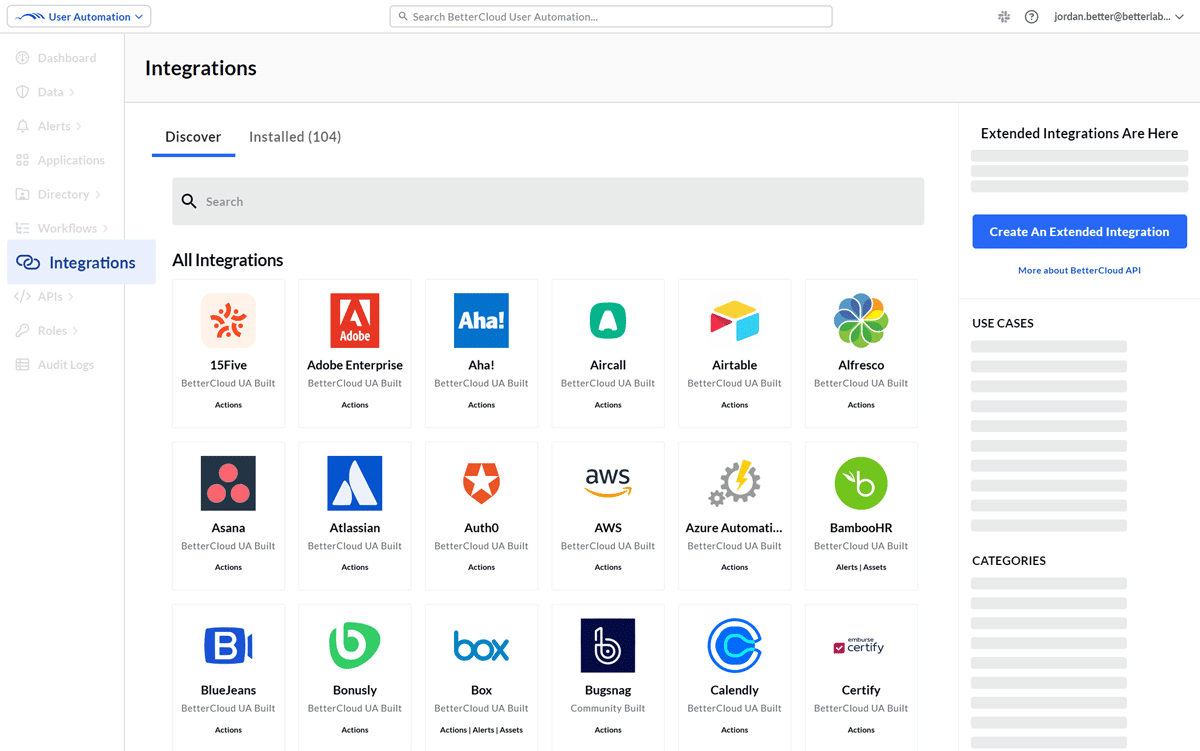
BetterCloud gives IT a single platform to operationalize GTM: build no-code, drag-and-drop workflows, plug in dozens of SaaS apps via the Integration Center, surface feature-level usage insights to right-size licenses, and enforce file governance with automated remediation. Teams routinely spin up workflows in minutes and report dramatic time-savings on onboarding and app provisioning showcased in the interactive product tour.
Ready to see it in action? Request a demo and we’ll show you how to unify your GTM stack, automate work, and drive revenue—fast.