

How often should user access reviews be performed?
Quick answer: Most organizations run quarterly user access reviews for critical systems, semiannual for moderate‑risk apps, and annual for low‑risk services. Highly regulated or high‑risk environments often move to monthly checks for crown‑jewel data. The right cadence should be risk‑based, aligned to your industry obligations, and automated wherever possible.
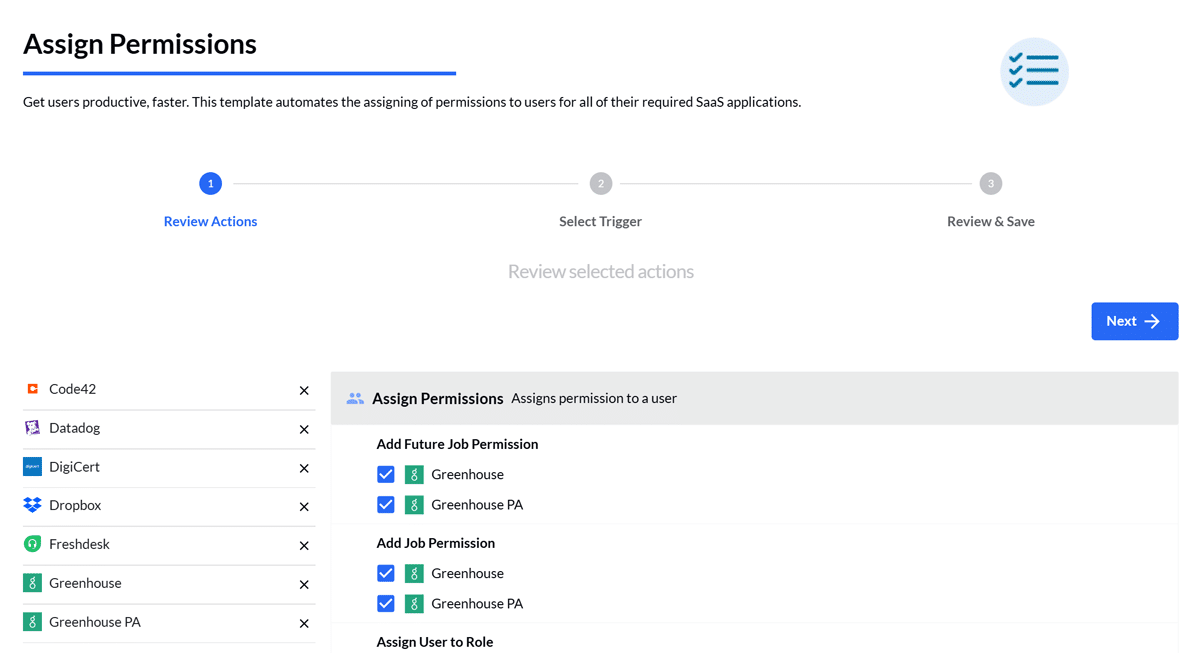
User access reviews are a cornerstone of effective IT security. They ensure that only authorized individuals have access to sensitive data and systems. But how often should these reviews be conducted? The answer isn’t one-size-fits-all.
The frequency of user access reviews depends on several factors. These include the organization’s size, industry regulations, and specific risk profile. Regular reviews help identify unauthorized access and mitigate potential data breaches. They are crucial for maintaining robust access control.
Conducting user access reviews at least quarterly is a common best practice. However, high-risk environments may require more frequent assessments. Automated tools can streamline the review process, reducing human error and increasing efficiency. Involving multiple departments ensures comprehensive oversight and accountability.
User access reviews are not just about compliance. They are a key component of a proactive cybersecurity strategy. By understanding the importance and frequency of these reviews, IT managers can better protect their organizations from internal and external threats.
At a glance: Recommended cadences by risk tier
| Risk tier | Example systems | Default cadence | Triggered reviews |
|---|---|---|---|
| High | Finance ERP, HRIS, production cloud envs, data warehouses | Monthly–Quarterly | After mergers, role/org changes, new integrations, critical incidents |
| Medium | Collaboration suites, code repos, marketing & sales apps | Quarterly–Semiannual | After team transfers, privilege escalations, new data scopes |
| Low | Non‑sensitive utilities, internal wikis | Annual | After offboarding spikes, policy changes |
Tip: Use BetterCloud to scope reviews by app, OU, role, or group—so owners only attest to the access they understand.
Why cadence isn’t one-size-fits-all
Frequency depends on:
- Regulatory posture: If you operate under frameworks like SOX, HIPAA, PCI-DSS, ISO 27001, or GDPR, you’ll likely need evidence of periodic access recertification and removal of excessive privileges—see SOX audit considerations and SaaS security compliance guidance.
- Risk profile: Concentration of sensitive data, third-party exposure, and history of access findings; strengthen defenses with PoLP & RBAC best practices.
- Org scale & change velocity: More users, contractors, and app sprawl = faster drift from least-privilege; rein in sprawl with BetterCloud SMP.
- Tech stack complexity: More SaaS + IaaS + custom apps increases the blast radius of stale access.
- Resourcing & automation: With no-code workflows, you can increase frequency without increasing workload.
Understanding user access reviews
User access reviews are systematic evaluations of who has access to an organization's systems and data. They focus on verifying that access aligns with user roles and responsibilities. These reviews serve a dual purpose: they strengthen security by ensuring access is limited to authorized users and uphold compliance with various industry regulations.
Understanding the core components of user access reviews is essential. Typically, reviews involve assessing:
- Current user access rights.
- User roles and responsibilities.
- Any unauthorized access attempts.
A thorough review helps identify discrepancies in access levels. It ensures that users have appropriate access and that unnecessary privileges are revoked—least-privilege in action.
Access reviews are integral to user access management. This ongoing process requires consistent monitoring and evaluation of user permissions.
Effective user access reviews also involve cross-departmental collaboration. This enhances accuracy and accountability, as different departments contribute valuable insights.
Involving stakeholders from both IT and HR can improve the review process. This collaboration ensures that access aligns with actual job functions.
By fully understanding the essence of user access reviews, organizations position themselves to manage access effectively. This awareness helps mitigate unauthorized access and reduces data breach risks.
Why user access reviews matter for security and compliance
User access reviews play a vital role in strengthening organizational security. They ensure that only authorized individuals have access to sensitive information.
Conducting these reviews regularly helps in quickly identifying unauthorized access. This detection is crucial in preventing potential data breaches.
In addition to security, user access reviews are critical for compliance. Many industry standards and regulations mandate regular reviews of access rights—learn how BetterCloud streamlines SaaS compliance.
Failing to conduct these reviews can result in severe penalties and fines. This makes user access reviews an essential component of regulatory compliance.
Organizations must focus on aligning their access review practices with compliance requirements. This alignment simplifies audits and ensures compliance with laws like GDPR and HIPAA.
User access reviews help uncover unusual access patterns, indicating insider threats. This insight allows organizations to take corrective actions promptly.
Besides mitigating internal threats, these reviews offer external threat protection. A strong user access management framework reduces vulnerabilities exposed to external actors.
The benefits of user access reviews extend beyond immediate security gains. They support continuous security improvement by informing future policies.
Key benefits of regular user access reviews include:
- Identifying and mitigating unauthorized access.
- Enhancing data protection.
- Ensuring compliance with industry regulations.
- Detecting and addressing insider threats.
- Reducing exposure to external threats.
By integrating user access reviews into their security strategies, organizations bolster defenses against various threats and achieve a state of continual regulatory adherence.
Key factors influencing user access reviews frequency
Several factors determine the appropriate frequency of user access reviews for an organization. Understanding these factors ensures that the review process is both effective and efficient.
One crucial factor is the size of the organization. Larger enterprises often require more frequent reviews due to the higher number of users and potential access points.
Industry regulations also heavily influence review frequency. Sectors like healthcare and finance have strict compliance requirements that may mandate quarterly or even monthly reviews.
The organization's risk profile is another significant consideration. Companies dealing with high-risk environments should conduct more frequent reviews to mitigate potential threats promptly.
Additionally, technological infrastructure impacts review frequency. Organizations using complex or outdated systems may require more frequent checks to ensure security.
Resource availability, such as staffing and budget, will also dictate how often reviews can be conducted. Well-resourced companies may opt for more frequent reviews to enhance security.
Top management support is essential in deciding review frequency. Leadership's involvement ensures that access management aligns with organizational goals and risk tolerance.
In regions with stringent data protection laws, regulatory requirements will determine the review frequency. Non-compliance can lead to substantial legal and financial penalties.
Frequent user access reviews provide several benefits, including:
- Quick identification of unauthorized access.
- Enhanced oversight of data protection practices.
- Improved alignment with industry regulations.
- Early detection of potential security threats.
- More efficient response to emerging risks.
The frequency decision should balance the need for security, compliance, and available resources. Implementing a tailored approach ensures user access reviews are manageable and effective.
Overall, establishing the right frequency is key to a robust user access management strategy. This practice helps safeguard sensitive information and maintain compliance in a dynamic digital landscape.
Industry standards and regulatory requirements
Industry standards and regulatory requirements play a pivotal role in shaping user access management practices. Organizations must understand these mandates to ensure compliance and security.
Different industries face unique regulatory landscapes. For example, healthcare providers must adhere to HIPAA standards, which often dictate specific review timelines.
The financial sector, governed by SOX and PCI-DSS, demands stringent access controls and frequent audits. These regulations enforce structured processes to protect sensitive financial information.
Regulatory bodies establish these requirements to minimize risks associated with data breaches and unauthorized access. Non-compliance can lead to severe penalties, including hefty fines and reputational damage.
Access reviews help organizations meet these standards, providing documentation and evidence of compliance. Consistent adherence also builds trust with clients and stakeholders.
Industry standards often recommend specific review intervals. These can vary from monthly to annually based on the sensitivity of data and risk exposure.
Emphasizing compliance in access management not only safeguards data but also ensures operational resilience. Regulatory frameworks offer a roadmap for establishing comprehensive security practices.
Key considerations for aligning with industry standards include:
- Regular review cycles tailored to specific industry guidelines.
- Effective documentation to support compliance audits.
- Collaboration with compliance officers to understand evolving regulations.
Staying informed about regulatory changes is crucial. Organizations should monitor updates to standards and adapt their practices accordingly.
In conclusion, integrating industry standards into user access reviews fortifies an organization’s security posture. It helps protect critical assets and meet evolving regulatory demands. Compliance is not just a requirement but a strategic advantage in maintaining a secure operational environment.
Best practices for setting (and keeping) your review cadence
Establishing an effective user access review frequency is crucial for robust access management. Best practices help to guide the development of these cycles.
Firstly, assess the organization's risk profile. The risk level can dictate how often reviews should be conducted.
Conducting reviews quarterly is a common standard. However, high-risk environments may need monthly checks for heightened security.
Secondly, incorporate a tiered approach. Match the review frequency to the sensitivity of data and the criticality of systems.
Regular communication among departments enhances access review processes. Collaborating with HR ensures that changes in personnel are captured promptly.
Thirdly, maintain thorough documentation. Record findings from each review to support audits and inform future policies.
Automation can improve efficiency. Automating parts of the review process reduces human error and streamlines repeat tasks.
Implement training programs to increase employee awareness. Educated users are less likely to unknowingly contribute to access vulnerabilities.
Set a strong foundation for user access review practices by following these steps:
- Adopt a risk-based, tiered model
Match cadence to data sensitivity and system criticality. Re-tier apps quarterly. - Scope reviews narrowly
Target only privileged roles, external users, and high-risk entitlements first. Expand as you mature. - Automate the heavy lifting
Use BetterCloud to:- Pre-populate reviewer queues with current entitlements
- Route access attestations to app owners
- Auto-revoke or downshift access when reviewers deny
- Track evidence and exportable audit trails
- Embed reviews into the user lifecycle
Tie reviews to onboarding, role change, leave of absence, and offboarding workflows so access never drifts. - Measure & improve
Monitor time-to-complete, % denials, repeat findings, and orphaned accounts. Iterate cadence based on risk signals.
Regular review of the process itself is also recommended. Organizations should adjust their frequency based on evolving security landscapes.
These best practices are essential components of a comprehensive cybersecurity strategy. They ensure regular monitoring and adjustment of access rights, significantly reducing risks of unauthorized data access.
By following these steps, IT managers can align their review frequency with both organizational needs and external compliance requirements. This alignment strengthens data protection and fulfills regulatory obligations effectively.
Risk-based approaches to user access reviews
Adopting a risk-based approach to user access reviews can significantly strengthen an organization's security posture. This method prioritizes resources and focuses efforts on areas with the highest potential impact.
The core of a risk-based approach lies in assessing each access point's risk. Critical systems and sensitive data warrant more frequent reviews to protect against breaches.
Begin by identifying assets that are most crucial to the organization. Understanding which systems hold sensitive data helps prioritize review efforts.
Analyze access patterns for these critical assets. Look for anomalies or unusual behaviors that may signal security issues.
A risk-based methodology allows flexibility. It aligns the review frequency with the organization's fluctuating risk landscape.
From here, develop a tailored review schedule. Higher-risk areas might need monthly or even weekly reviews, while lower-risk areas could suffice with quarterly checks.
Collaboration is crucial in implementing a risk-based strategy. Engage with stakeholders from IT, compliance, and business units to ensure comprehensive oversight.
Regularly update risk assessments. As new threats emerge, adapting the review frequency ensures ongoing protection.
Employ automation tools for efficiency. These can help in identifying and analyzing risk factors, saving time and reducing manual errors.
Communicate findings and strategies across the organization. Transparency strengthens the collective understanding and engagement in security protocols.
Key steps in a risk-based approach include:
- Identifying critical assets and data.
- Analyzing access patterns for anomalies.
- Developing and adjusting review schedules.
- Engaging stakeholders for comprehensive input.
- Utilizing automation for efficiency.
This approach not only enhances security but also ensures compliance with regulatory requirements, providing a strong framework for managing user access effectively. By focusing on risk, organizations can allocate resources more strategically, fortifying their defenses against potential breaches.
Tiered review models: Matching frequency to risk
Implementing a tiered review model is a practical strategy for aligning the frequency of user access reviews with specific security risks. This approach categorizes systems and data according to their sensitivity and potential impact on the organization.
Start by classifying assets into tiers based on criticality. High-risk areas containing sensitive data fall into the top tier, requiring the most attention.
Medium-risk areas, while important, do not demand constant oversight. They typically include systems supporting business operations but lacking sensitive data.
Low-risk systems, involving non-sensitive operations, might only need annual reviews. These systems pose the least threat to organizational security.
This tiered system enables resource optimization. It directs attention where it is most needed, reducing unnecessary workload on IT staff.
A tiered model also fosters a proactive security culture by ensuring each department understands its role in maintaining security.
Key aspects of a tiered review model involve:
- Categorizing assets by criticality and risk level.
- Assigning review frequencies based on tier importance.
- Engaging all departments in the security process.
Adopt dynamic reviews within each tier. Systems can move between tiers based on changes in the threat landscape or business needs.
For high-risk areas, consider monthly or bi-weekly reviews. Medium-risk systems might require quarterly assessments, while low-risk areas could maintain annual checks.
A tiered strategy allows for flexibility and efficiency in managing user access. By focusing resources on the most critical areas, organizations can better protect their assets and ensure compliance with evolving security standards. This structured approach also aids in reporting and auditing, providing clear documentation of security efforts.
Automating and streamlining user access reviews
Automating user access reviews enhances efficiency and accuracy. Manual processes are prone to errors and consume significant time and resources.
Automation tools can systematically review user permissions. They identify discrepancies and highlight potential security risks. This reduces human error and ensures timely updates.
Modern solutions offer real-time monitoring and reporting. They provide organizations with instant insights into user access patterns and anomalies.
Selecting the right automation tool is crucial. Ensure it integrates seamlessly with existing IT infrastructure. Compatibility reduces implementation challenges.
Popular features of automation tools include:
- Real-time auditing of access permissions.
- Automated alerts for unauthorized access attempts.
- Integration capabilities with current IT systems.
Advanced tools use artificial intelligence (AI) to predict potential risks. AI models analyze user behavior and flag unusual activities promptly. This proactive approach aids in preventing breaches before they occur.
Automation can significantly reduce audit preparation time. It ensures comprehensive documentation, thereby simplifying compliance checks.
Furthermore, staff can focus on strategic tasks instead of mundane reviews. This fosters a more productive IT environment and improves team morale.
Training staff on using automation tools is important. Proper training maximizes tool efficiency and ensures accurate data interpretation.
Automating access reviews is not a one-size-fits-all solution. Regular evaluation and updates of the automation tool are essential to match evolving security needs.
Incorporating automation into user access reviews streamlines processes, enhances security, and fortifies compliance. Organizations should embrace automation as a key element of their cybersecurity strategy. This integration not only guards against internal and external threats but also supports smoother operational workflows.
Integrating user access reviews into user lifecycle management
User access reviews are integral to effective user lifecycle management. By aligning these reviews with lifecycle events, organizations ensure tight control over access.
At key stages in a user's lifecycle—onboarding, role changes, and offboarding—reviews are crucial. This alignment minimizes the risk of unauthorized access and data breaches.
Integrating access reviews involves routinely checking permissions whenever a user role changes. Ensure only necessary access is granted, preventing excessive privileges.
A structured approach includes:
- Reviewing access at onboarding to ensure appropriate permissions.
- Regularly updating access levels during role changes.
- Ensuring complete access revocation upon offboarding.
Cross-departmental collaboration enhances the lifecycle process. HR and IT should work together to maintain up-to-date access records.
Employing role-based access control (RBAC) further refines access management. RBAC assigns permissions based on specific roles, streamlining the review process.
Continuous updates and training on access policies are essential. This ensures all users understand the scope and limitations of their access rights.
Effective integration into the user lifecycle boosts overall security. It also supports compliance and resource optimization, strengthening the organization's cybersecurity infrastructure.
Common challenges and how to overcome them
Organizations face several challenges with user access reviews. Overcoming these hurdles ensures effective security management and compliance.
One common issue is the lack of centralized user data. Disparate systems can complicate access tracking and review processes. To address this, organizations should implement an integrated identity and access management (IAM) system.
Additionally, manual processes are prone to errors. They can lead to inconsistent review outcomes. Automating reviews with specialized software can greatly enhance accuracy and efficiency.
Another challenge is insufficient cross-department collaboration. Without collaboration, reviews may miss key information. Encourage departments to communicate, promoting a unified approach to access reviews.
User resistance to changing access permissions is another hurdle. Employees may not understand the need for changes. Communicating the importance of security measures can help alleviate resistance.
Strategies for overcoming these challenges include:
- SaaS sprawl → Integrate priority apps into BetterCloud first; expand quarterly.
- Reviewer fatigue → Scope by risk; rotate reviewers; use owner-based attestations.
- Manual revocations → Automate deny→revoke actions and expired exceptions via permissions automation.
- Shadow IT → Ingest discovery data; fold critical unsanctioned apps into reviews or block.
Addressing these challenges strengthens user access management, safeguarding organizational data and maintaining compliance.
Building a sustainable user access review program
Building a sustainable user access review program is essential for long-term security. Sustainability ensures consistent, effective reviews over time.
Begin by establishing clear policies. These should outline the objectives and scope of access reviews. Policies provide a foundation for consistent practices.
Next, assign dedicated roles and responsibilities. Clearly defined roles ensure accountability. Designate individuals or teams to manage and execute reviews.
Leverage technology to streamline the process. Automated tools can help reduce the workload and minimize errors. They also ensure timely execution of reviews.
Regularly evaluate and update the review program. Stay aligned with evolving security needs and regulatory requirements. Continuous improvement should be a focus.
The key components of a sustainable program include:
- Defined policies and objectives: Establish clear goals and guidelines.
- Assigned roles and responsibilities: Designate specific individuals for oversight.
- Utilization of technology: Implement tools to automate and streamline processes.
- Ongoing evaluation and updates: Adapt to changing needs and regulations.
Implementing these strategies will help create a resilient user access review program. This strengthens your organization's overall security posture.
Actionable steps for IT managers: Getting started
Starting a user access review program can be daunting. However, with structured steps, the process becomes manageable and effective.
First, assess your current access management framework. Understand the existing policies and procedures. Identify any gaps or areas needing improvement.
Develop a comprehensive plan that outlines key goals. Include a timeline and resources needed for implementation. A well-defined plan sets a clear path forward.
Next, secure buy-in from leadership. Present the benefits of regular user access reviews. Highlight compliance, security, and efficiency improvements.
Invest in the right tools and technologies. Look for solutions that automate and simplify user access reviews. This makes the process more efficient and reliable.
Training is crucial for success. Educate your team on review processes and best practices. Ensure they understand their roles and responsibilities.
Here are some key steps to get started:
- Assess current policies: Identify existing gaps.
- Create a detailed plan: Define objectives and timelines.
- Secure leadership support: Obtain buy-in from decision-makers.
- Invest in tools: Adopt solutions to automate reviews.
- Provide training: Educate the team on best practices—browse the Monitor blog for ongoing best practices.
By following these steps, you can successfully launch a user access review program. This initiative will bolster your organization's security and compliance posture.
Example RACI
| Activity | R | A | C | I |
|---|---|---|---|---|
| Define scope & tiers | Security | CISO | IT, App Owners | Audit |
| Run quarterly review | IT Ops | Security | App Owners | Audit |
| Approve/deny access | App Owners | Security | IT Ops | Audit |
| Revoke access | IT Ops | Security | HR | App Owners |
| Produce evidence | IT Ops | Security | Audit | Compliance |
The path to stronger user access management
Regular user access reviews are vital for safeguarding your organization. They help maintain strong access controls and reduce risks significantly.
Establishing a structured review process is crucial. It ensures that the right people have access to the right resources at the right times.
By automating and streamlining reviews, you increase efficiency and accuracy. This allows your team to focus on strategic security initiatives rather than manual tasks.
Finally, continuous improvement is key. Always update your processes to address evolving threats and new compliance requirements. By staying proactive, you ensure a robust security posture and protect your organization's data assets effectively.
Through diligent user access management, you can create a more secure and compliant work environment.
How BetterCloud supports risk-based access reviews (and proves them)
With BetterCloud’s SaaS Management Platform, IT teams get a unified way to discover apps, automate user lifecycle events, manage granular permissions, and produce audit-ready evidence. Using no-code workflows, you can route owner attestations, pre-populate reviewer queues, auto-revoke denied access, and export logs for SOX and other audits—all accelerated by native integrations across your stack. If you’re ready to replace manual spreadsheets and emails, request a demo and see how fast you can operationalize user access reviews.
FAQs
Start with quarterly for high‑risk apps, semiannual for medium‑risk, annual for low‑risk. Increase cadence after major org change or if audits find issues.